
General notes —
Aneurysm — Defined as 1.5x the size of the vessel.
For the abdominal aorta 2cm is normal above the iliac arteries. 1cm is normal for the iliac arteries.
>3cm considered aneurysm above the bifurcation of the iliac arteries.
>1.5cm is considered an aneurysm for iliac arteries.
Between 2‐3cm, or an aorta that does not taper normally, is considered an ectatic (abnormal) aorta.
Must measure outer wall to outer wall horizontally in transverse orientation.
AAA’s >5cm have a high risk rapid growth and rupture (9876073).
Sensitivity and specificity is high for emergency physician performed POCUS for AAA (10969223, 16243207).
Smaller size does not mean AAA’s cannot rupture. Syncope, hypotension, or abdominal/flank pain with an AAA should be treated as impending rupture until proven otherwise.
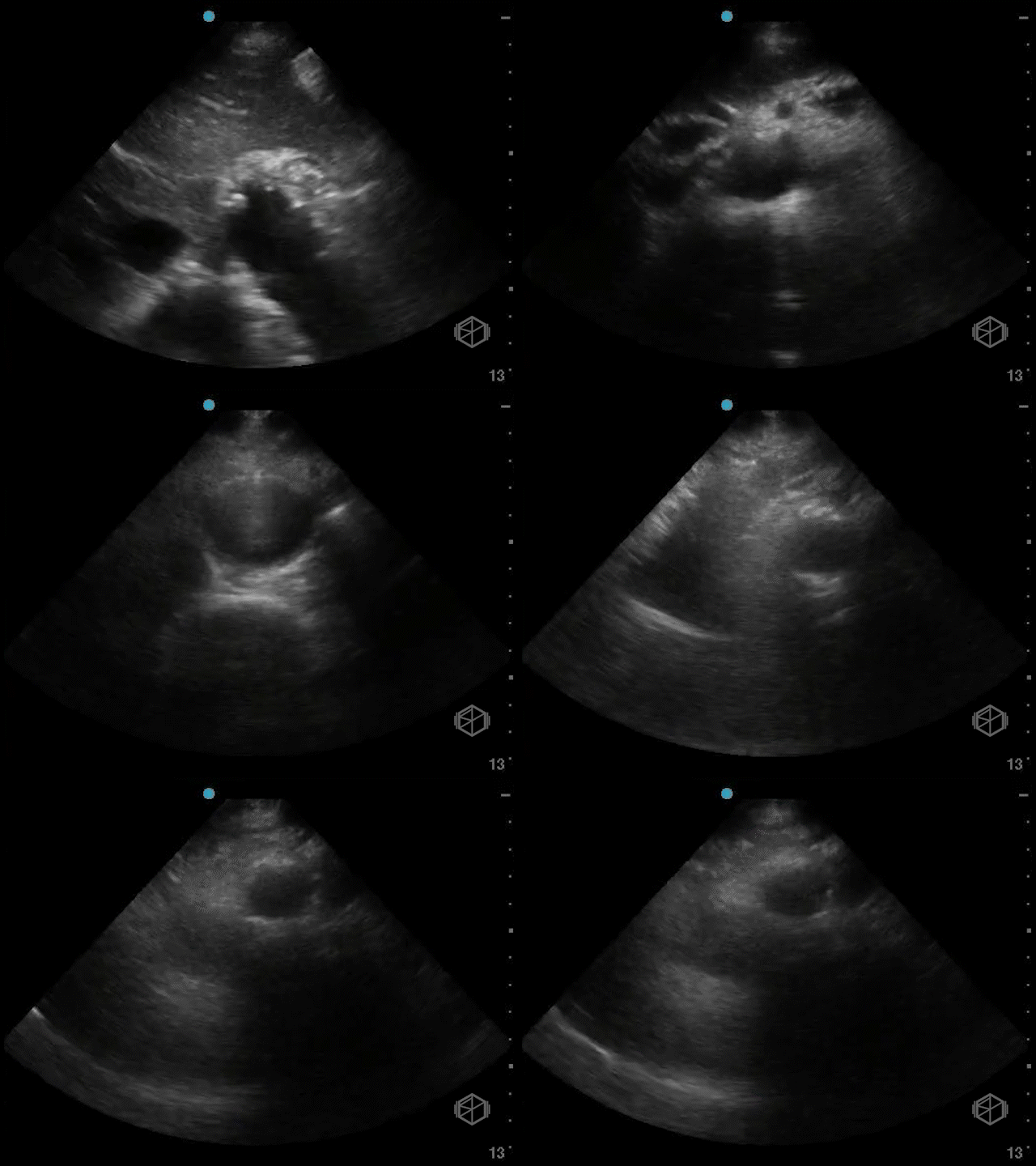
Fusiform infra-renal aortic aneurysm.

Horizontal measurement of aneurysm width in transverse plane.
Thrombus formation —
An intraluminal thrombus may form due to decreased peripheral laminar flow within an aneurysm.
Thrombus can grow in size and may even cause complete aortic occlusion resulting in mottled lower extremities and decreased distal flow (21871765)
Thrombus can be found in either ruptured or unruptured AAA’s. The presence of a thrombus does portend a faster growth rate (31990263).
A common pitfall is not measuring the thrombus — the thrombus must be included in the size measurement, do not measure within the rim of the thrombus.
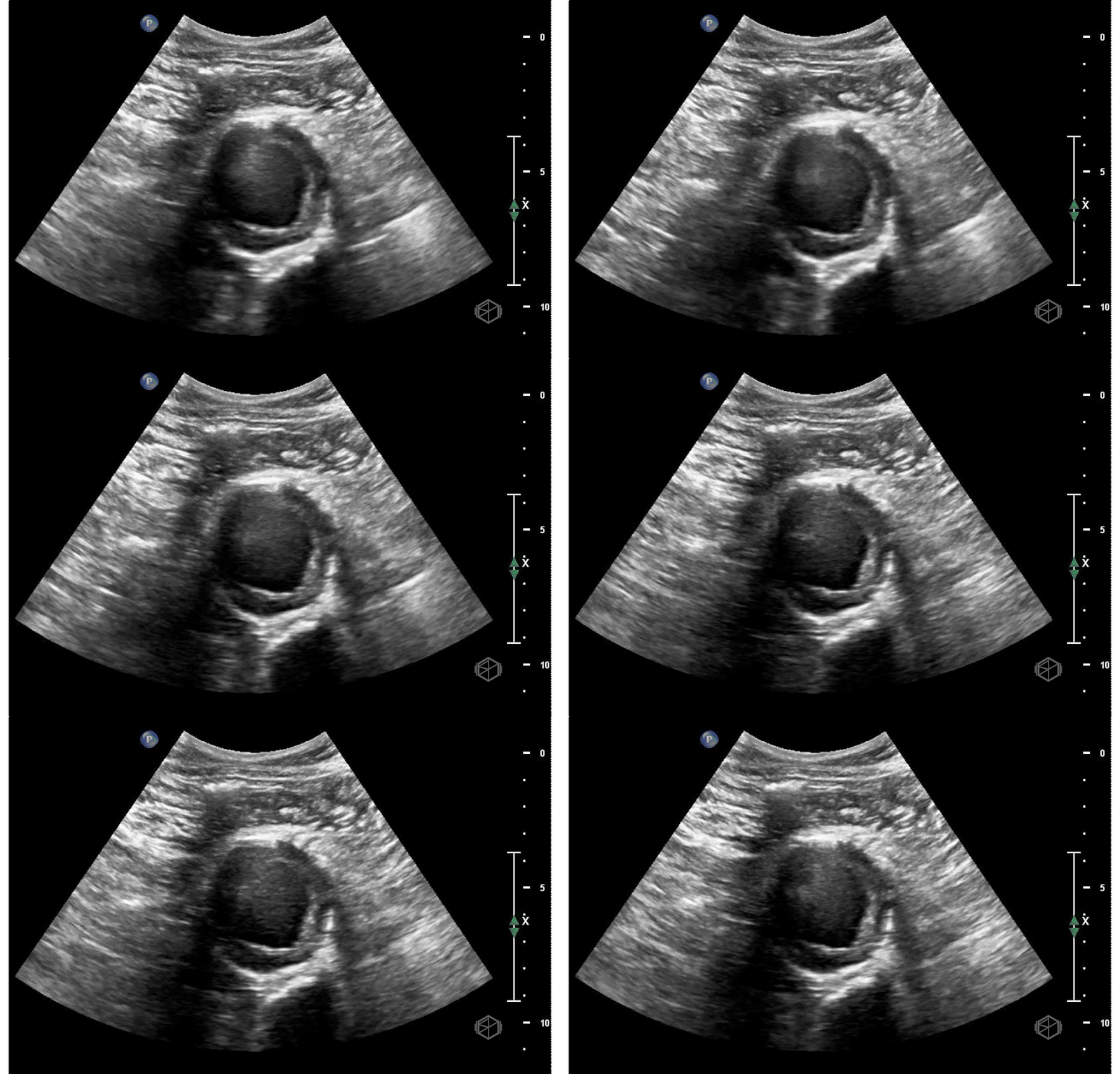
AAA with intraluminal thrombus.
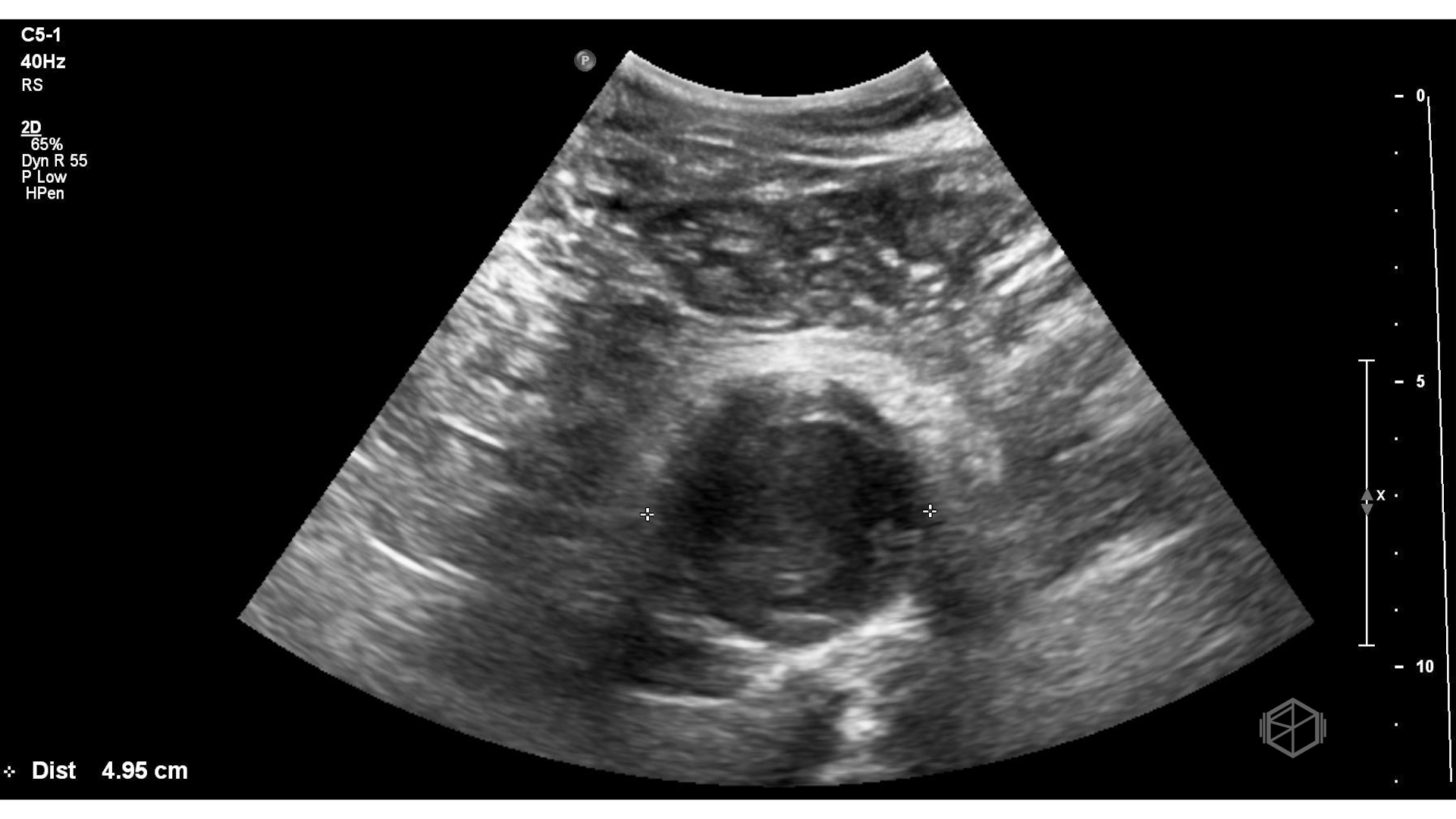
Any measurement of an AAA with a thrombus should be outer wall to outer wall and include the thrombus.
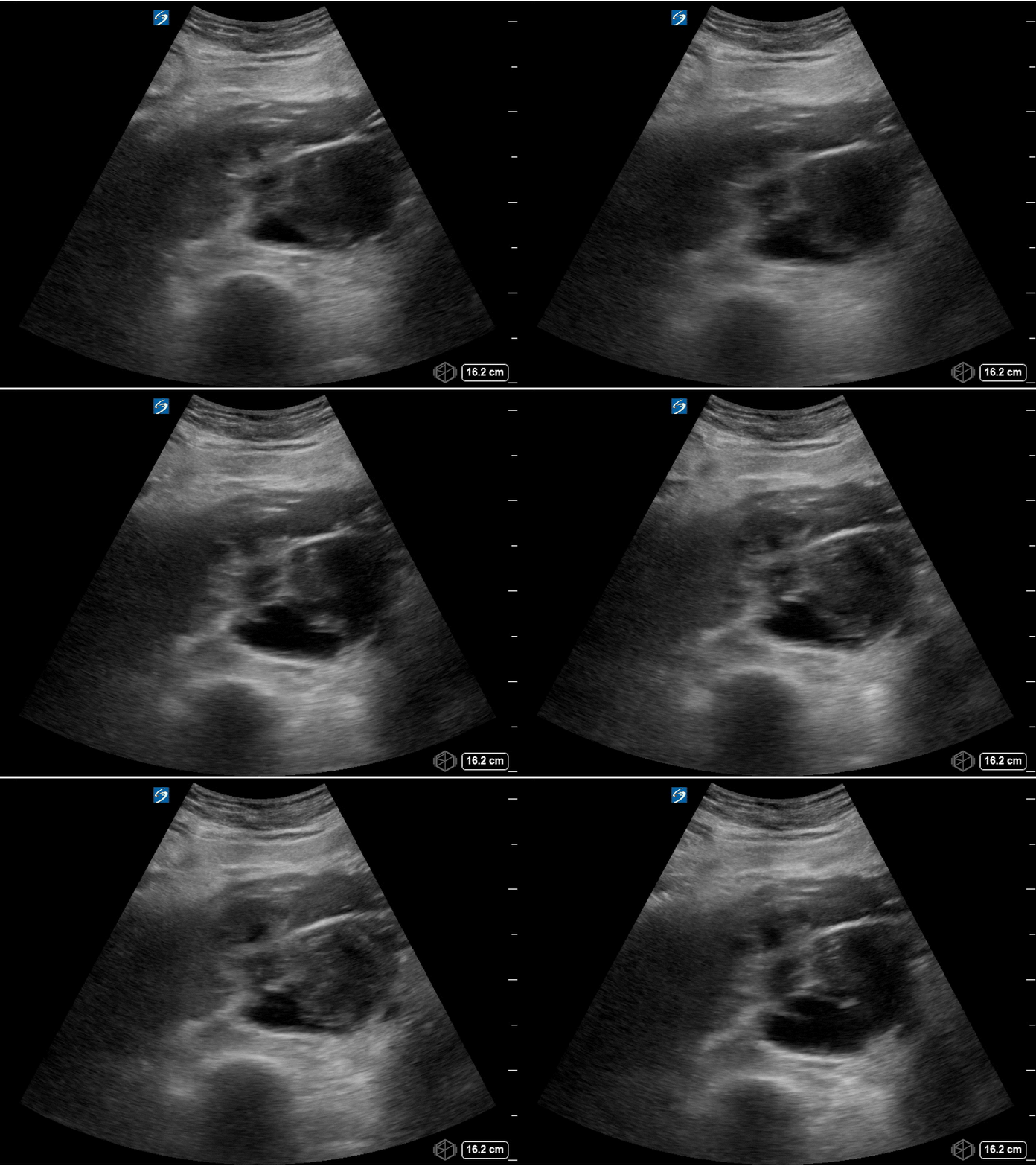
AAA actively leaking into a thrombus.
Color doppler —
Color doppler of a large abdominal aortic aneurysm will often reveal a characteristic bidirectional flow pattern called the “yin-yang” or Pepsi sign due to the swirling of blood. This may also be visualized in pseudoaneurysms.
Color doppler may also be used to see if there is any active leakage of blood.
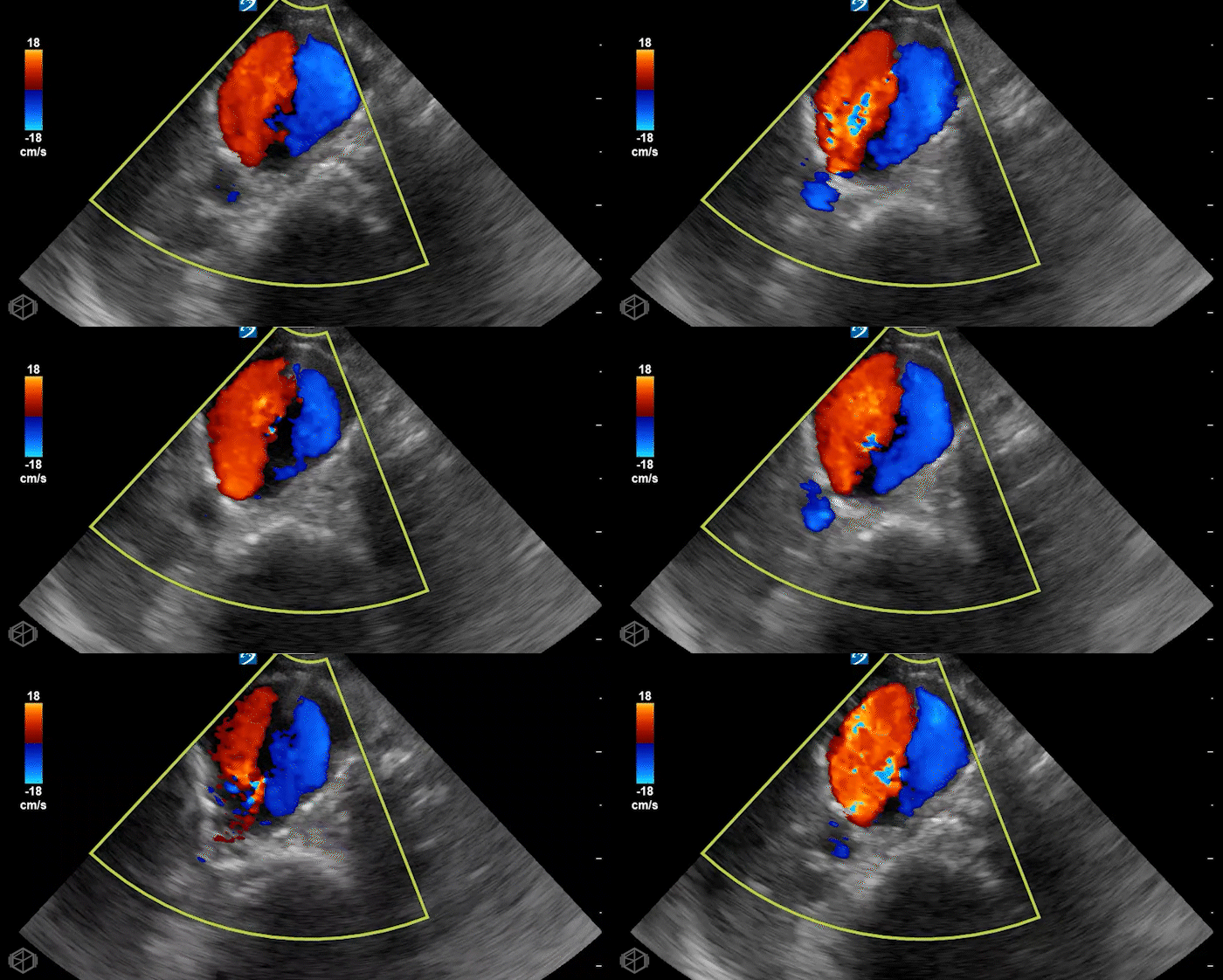
"Yin-yang" within a large AAA