
Inguinal Lymph Nodes
Typically located superficial to the common femoral vessels and adjacent to the CFV
Oval or round structure rather than tubular
May demonstrate an echogenic hilum
Usually wider than tall
Follow the structure in two planes—lymph nodes do not track longitudinally like veins. They are finite structures that disappear as the probe is moved. They also often have a visible central stalk.
Normal/reactive nodes may show central (hilar) vascularity
More abnormal nodes may have peripheral or chaotic flow
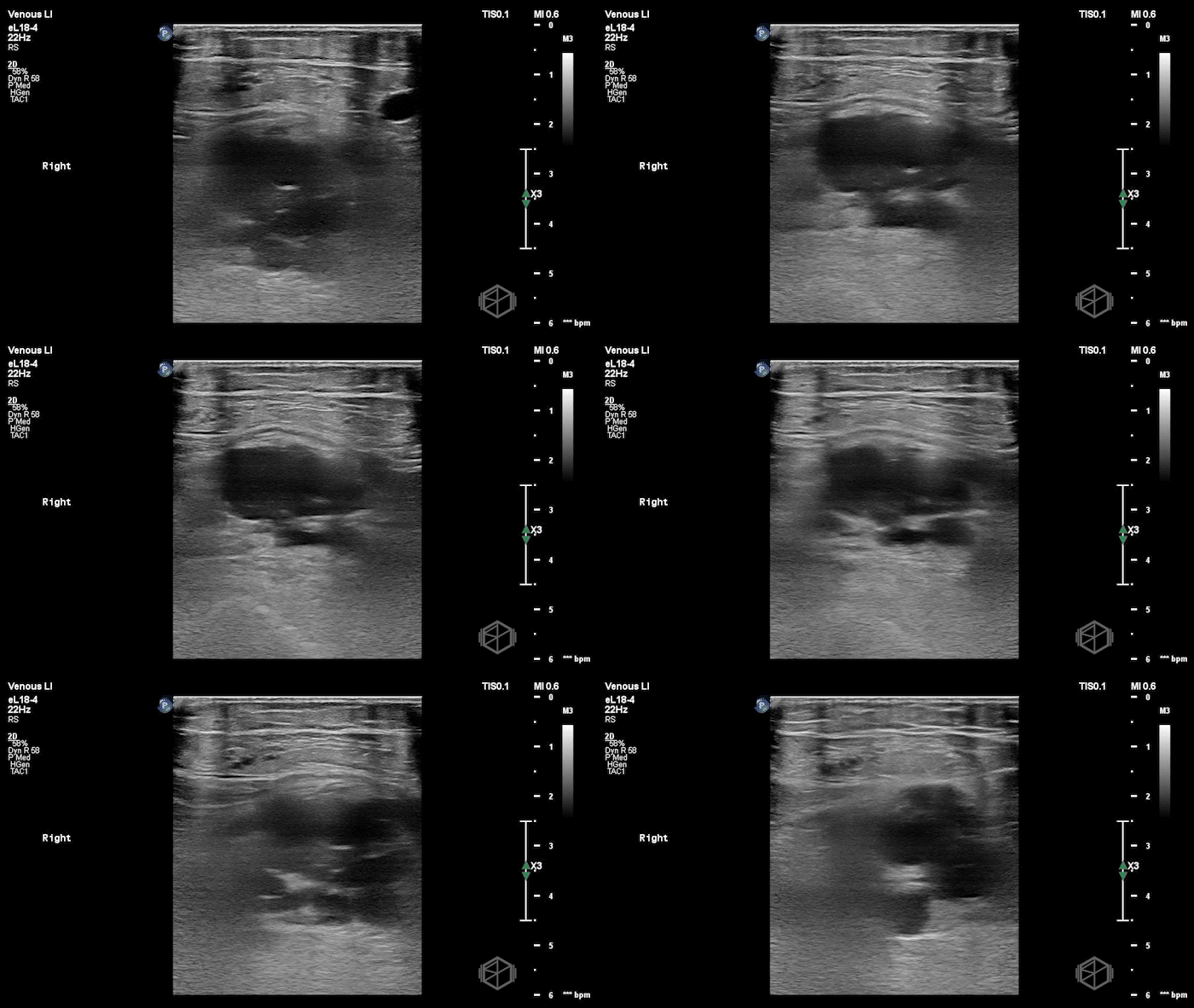
Lymph node mimicking a DVT.
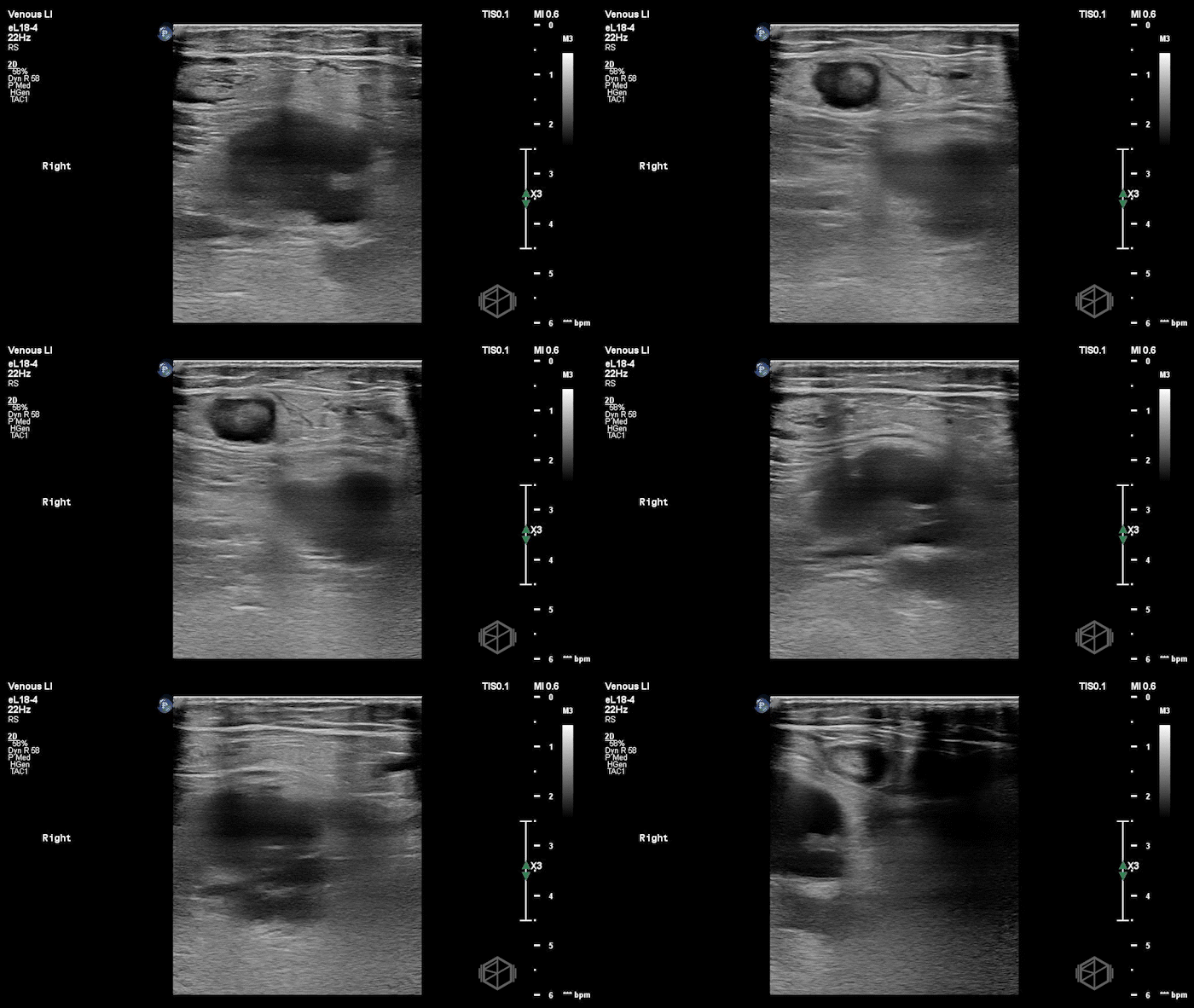
Multiple lymph nodes visible superficially as well as next to the CFV.
Baker’s Cyst
Baker’s cysts can be identified in DVT studies and may mimic or compress veins (📚 PMID: 9129621)
Fluid collection in the popliteal fossa, typically medial
May be anechoic or contain internal echoes or debris
Can have a neck communicating with the joint space and is often associated with joint effusion
Does not follow venous anatomy and will not demonstrate venous continuity or compressibility patterns
Ruptured Baker’s cyst may present with calf pain and swelling mimicking DVT
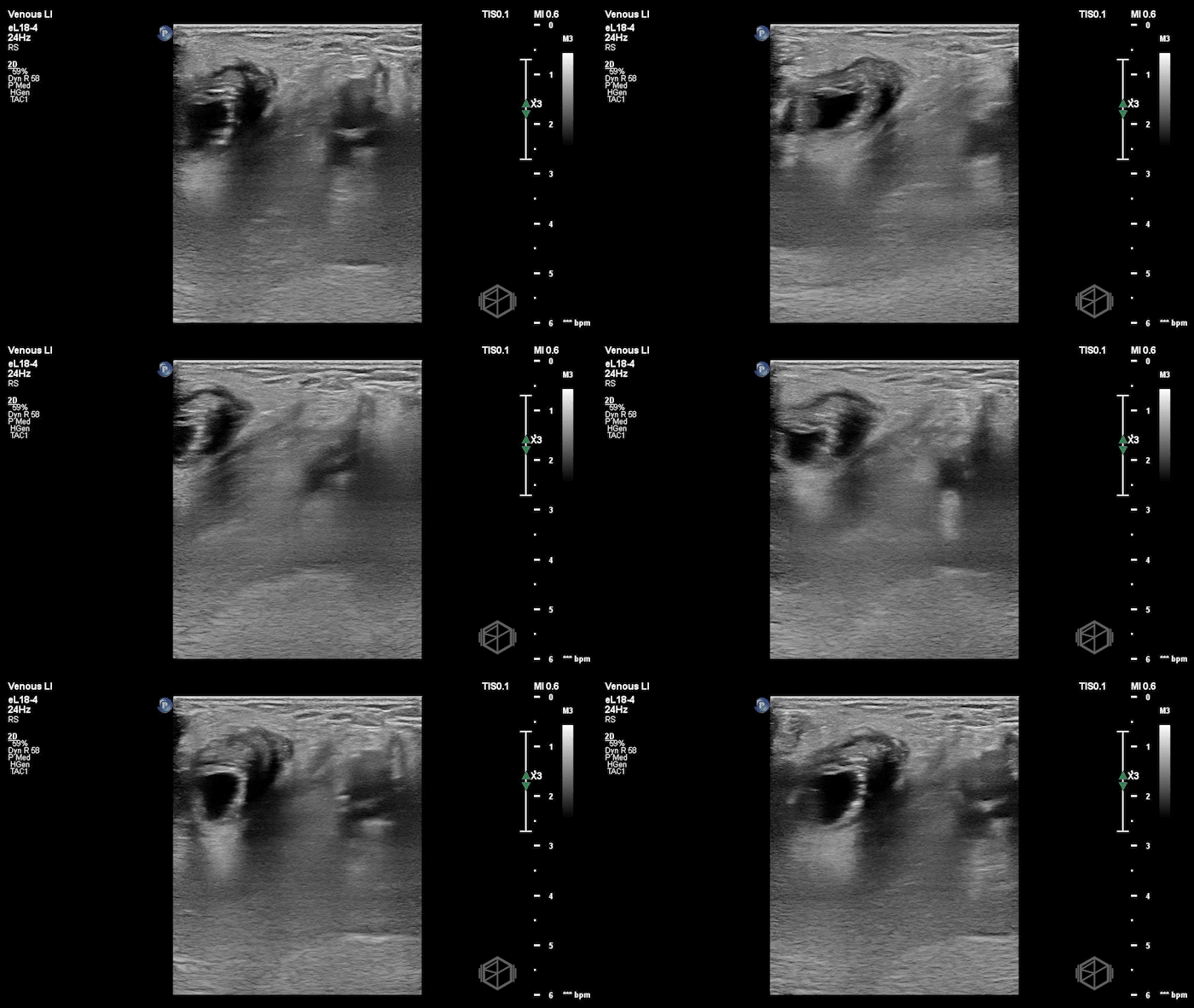
Heterogenous appearing Baker's cyst.
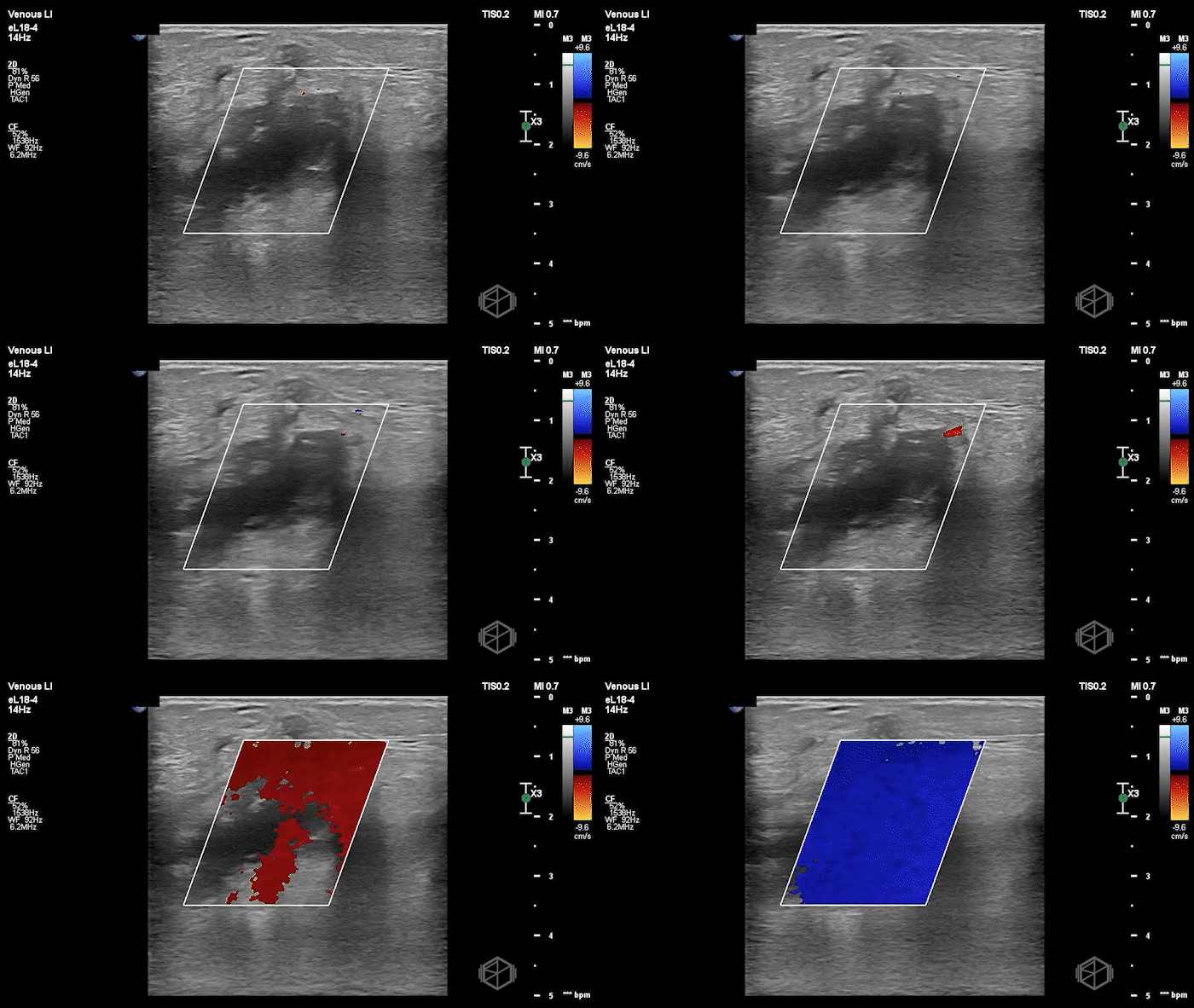
Heterogenous appearing Baker's cyst, demonstrating no internal flow.
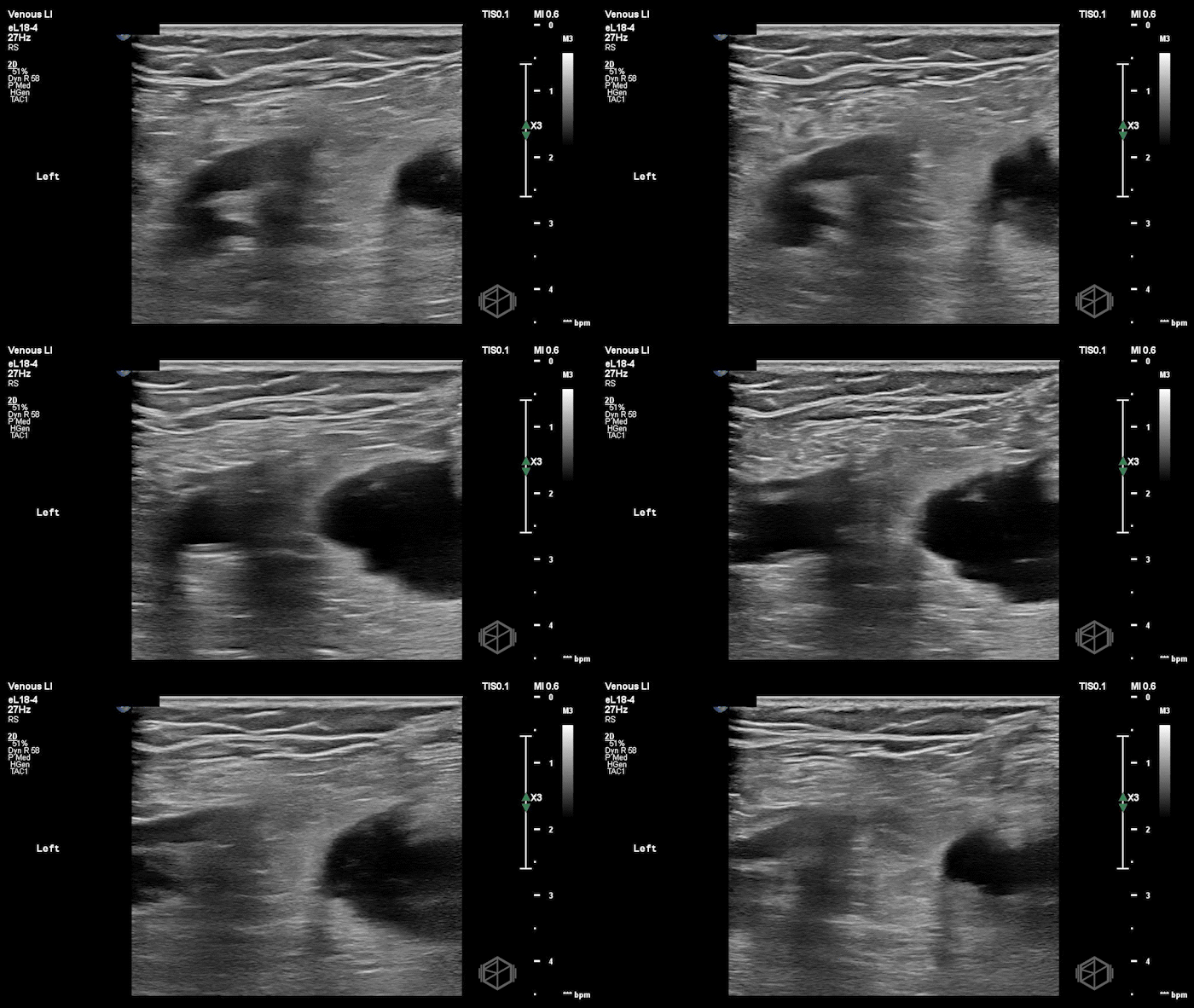
Hypoechoic appearing Baker's cyst.
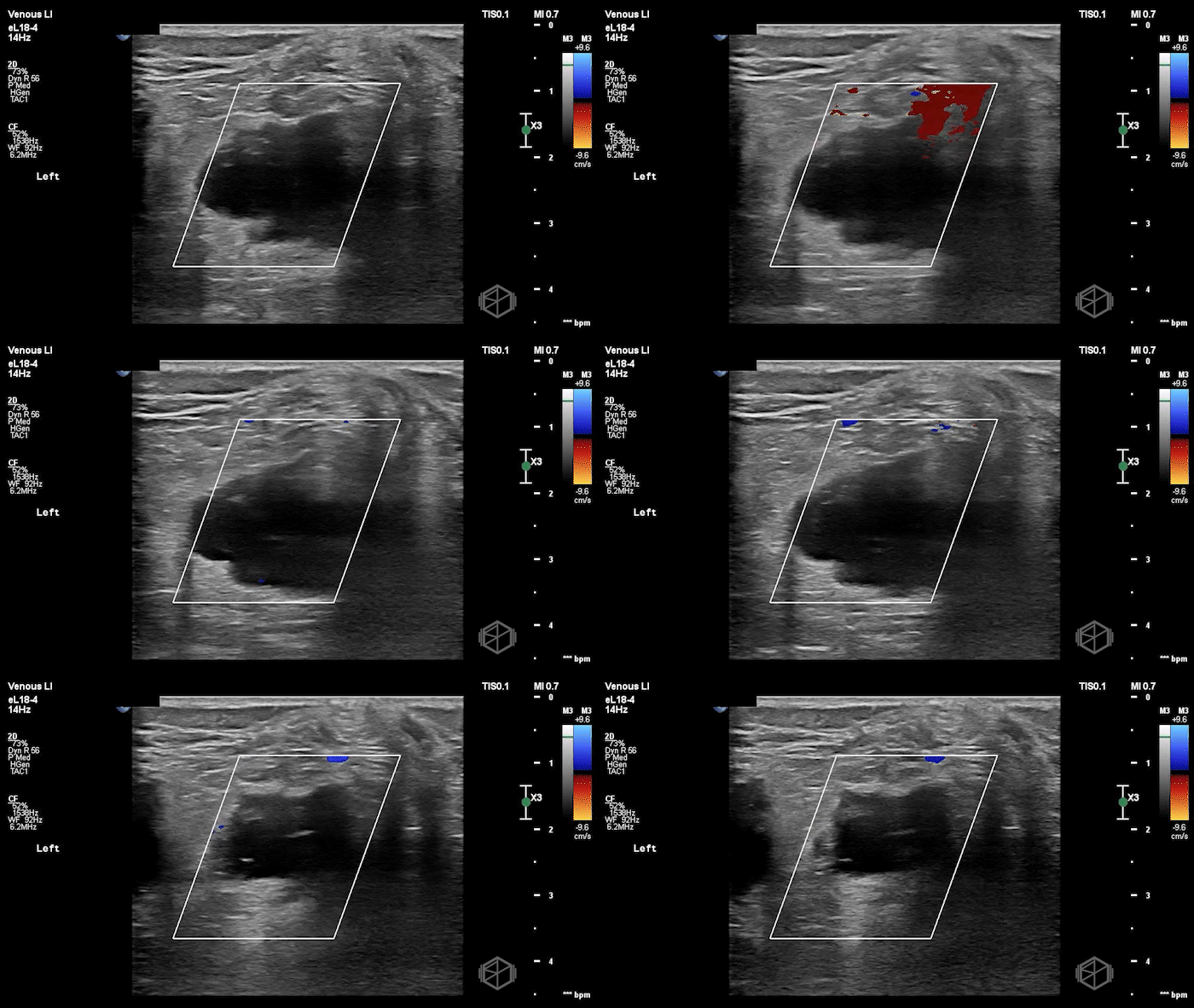
Hypoechoic appearing Baker's cyst demonstrating no internal flow.
Great Saphenous Vein (GSV) Thrombosis
The GSV joins the CFV at the saphenofemoral junction (SFJ)
Superficial vein located medial and superficial to the CFV
Noncompressible saphenous vein with intraluminal thrombus
Represents superficial venous thrombosis, not deep vein thrombosis; though it is important to evaluate for extension into the CFV
Thrombus within ~3 cm of the SFJ may extend into the deep venous system and should be considered clinically significant, often requiring anticoagulation (📚 PMID: 25903684)
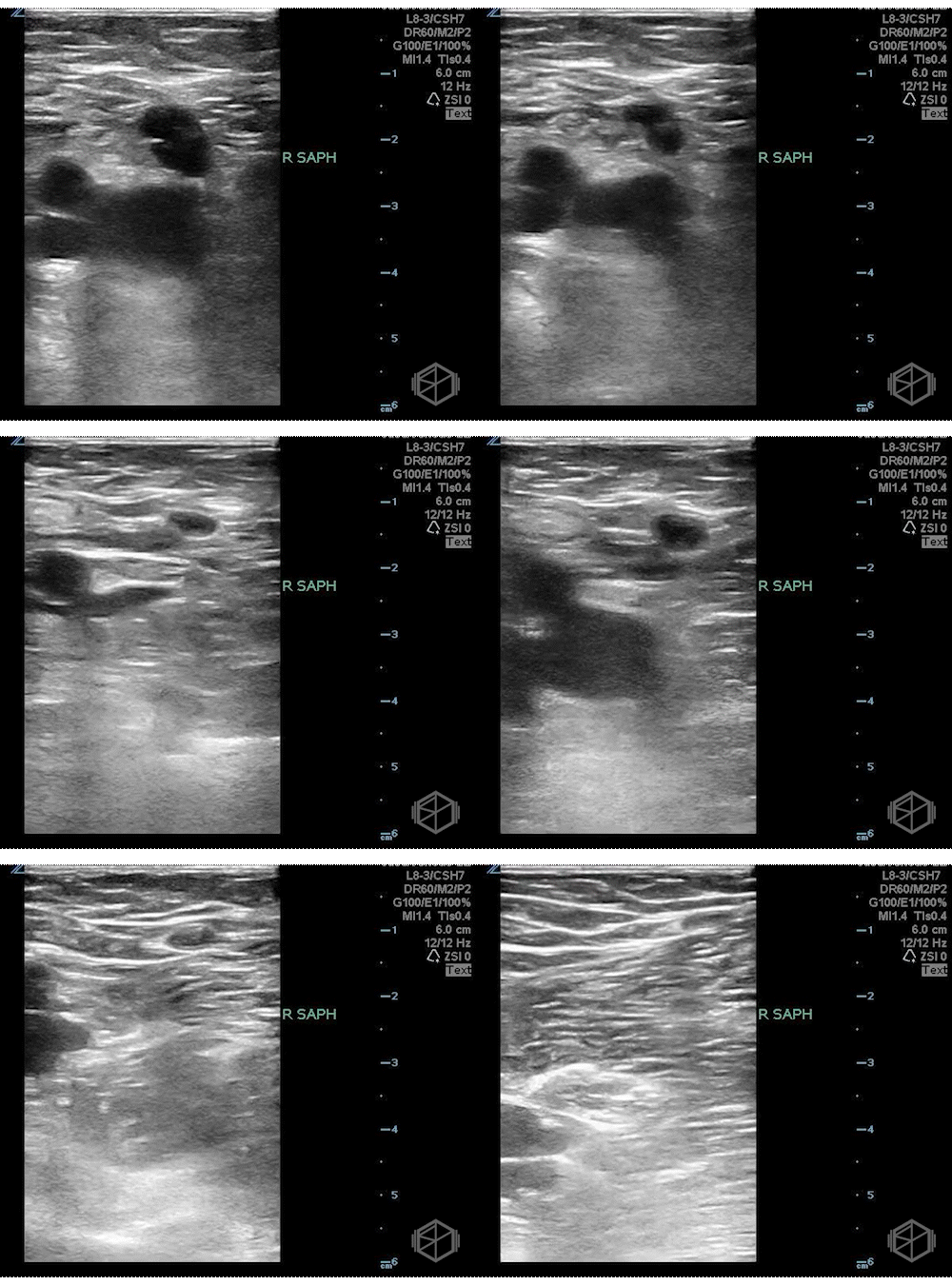
Saphenous vein thrombosis
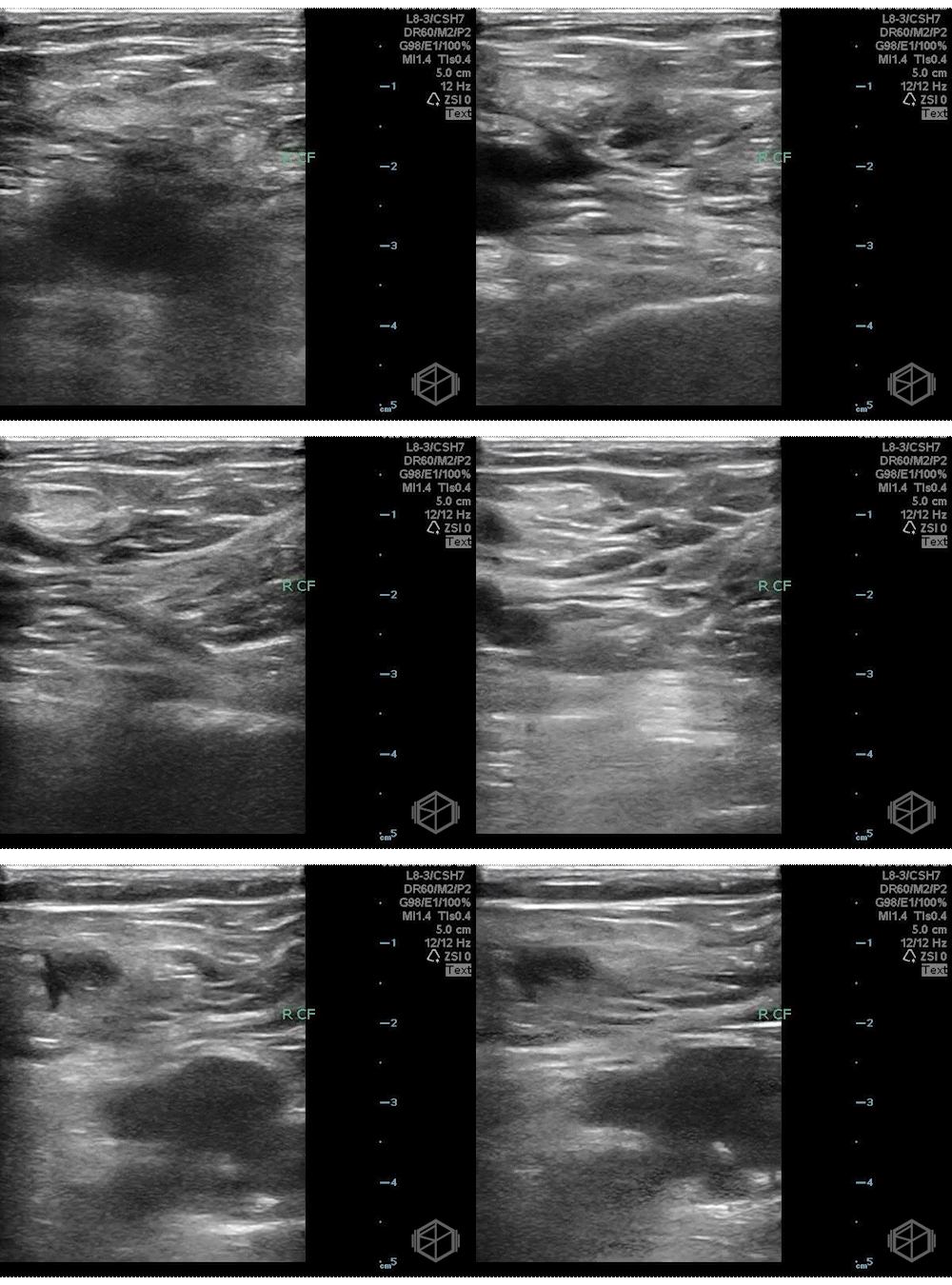
Saphenous vein thrombosis
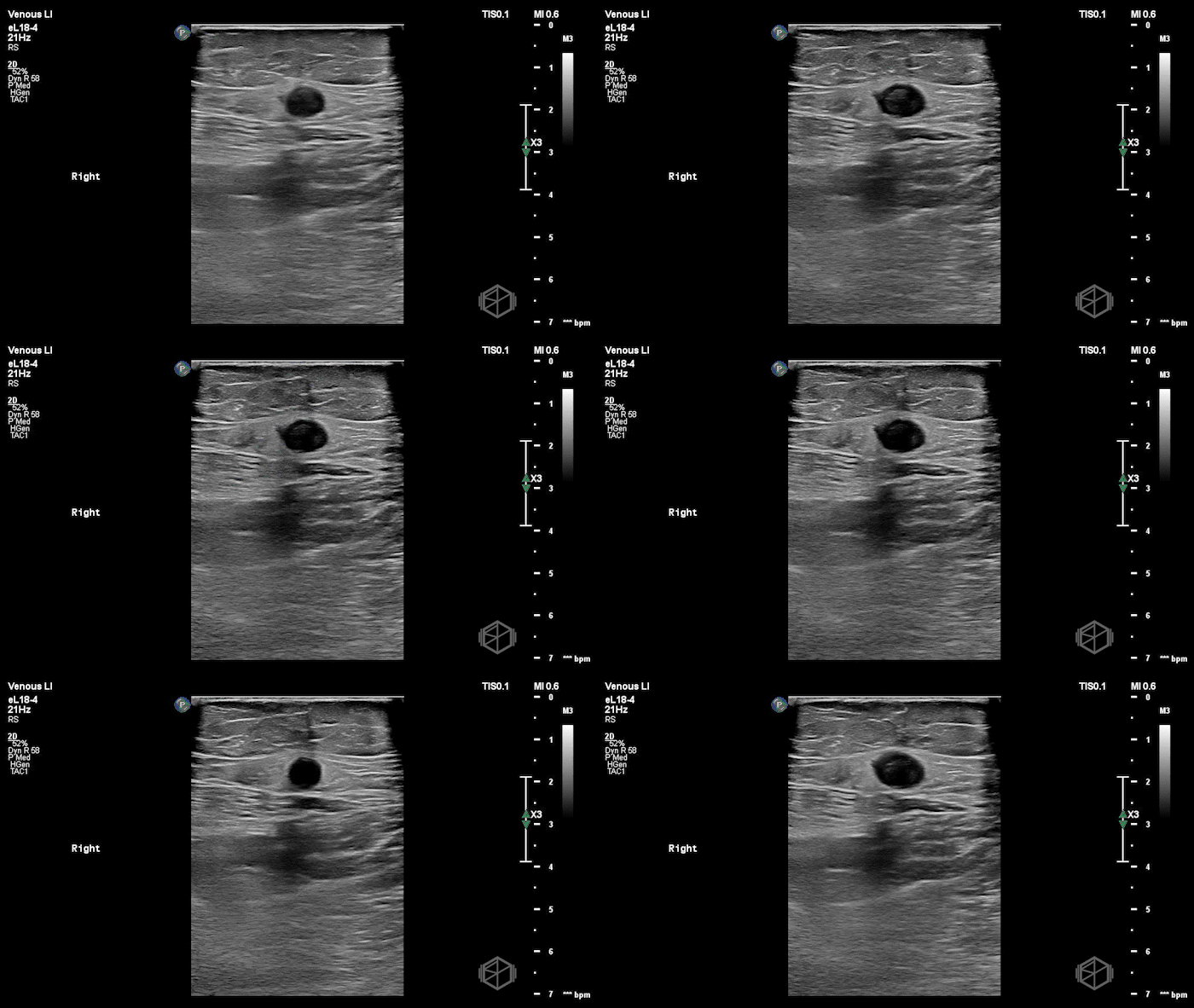
Saphenous vein demonstrating thrombus.
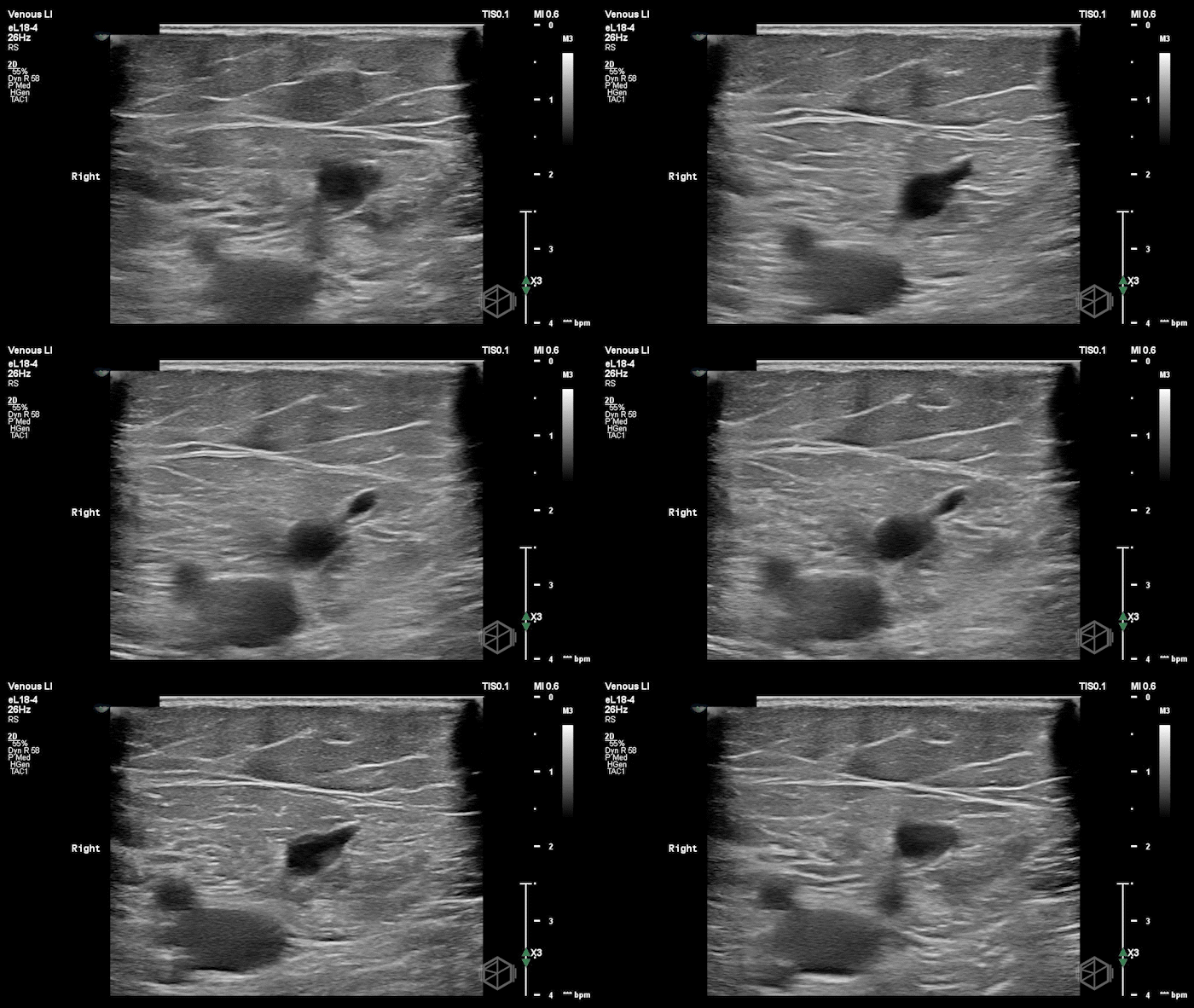
Saphenous vein demonstrating thrombus.
Femoral Artery Pseudoaneurysm
Arterial wall disruption resulting in a contained extraluminal sac with communication to the parent vessel
Most commonly occurs in the common femoral artery region, often following arterial access, trauma, or rarely infection
Appears as a cystic or complex collection adjacent to an artery and may be anechoic or partially thrombosed
May demonstrate a pulsatile, expansile mass with variable internal echogenicity
Must demonstrate communication with the parent artery, typically via a visible neck
Color Doppler demonstrates bidirectional swirling flow (“yin-yang” appearance) (📚 PMID: 38241966)
Spectral Doppler at the neck shows a to-and-fro waveform (📚 PMID: 26029351)
Ultrasound demonstrates high diagnostic accuracy for pseudoaneurysm; bedside diagnosis is supported by characteristic Doppler findings. (📚 PMID: 38777708)

Anechoic appearing structure in the femoral area.

Color doppler showing a stalk.
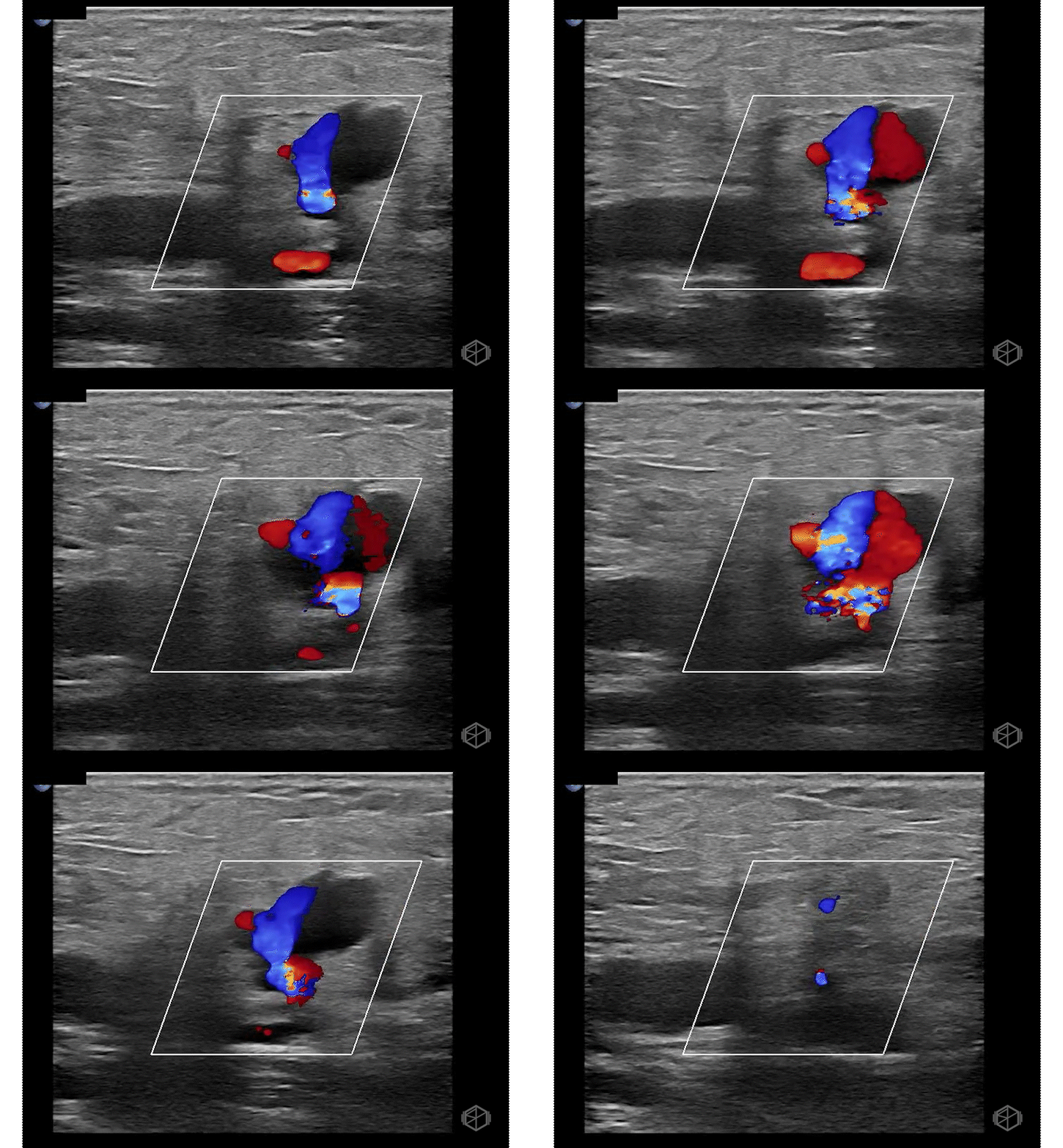
"Yin-yang" sign demonstrating bidirectional swirling flow.