
General notes —
This section covers lower extremity DVT’s from common femoral vein to the popliteal/trifurcation only.
Thrombus in the deep venous system that causes partial or complete venous obstruction
Most DVT develops around valve sinuses, especially at bifurcations (e.g., saphenofemoral junction, popliteal trifurcation) where decreased blood flow and turbulence promote thrombus formation
May embolize or evolve into post-thrombotic syndrome
Following acute DVT, there may be inflammatory remodeling of the vein wall and thrombus with partial regression and recanalization, resulting in chronic changes that can persist despite restoration of flow
Knowledge of prior DVT location is important when differentiating acute thrombus from chronic post-thrombotic syndrome
Detection of DVTs relies on:
Non-compressibility (Primary) [📚 PMID: 34760590,32045437,34501350,39080184]
Most reliable diagnostic sign
Normal vein → fully compresses
DVT → fails to compress
Direct Visualization (Inconsistent)
Echogenic or hypoechoic material within the lumen
May be:
Subtle or not visible (especially acute)
Clearly echogenic (often chronic)
Acute thrombi are often associated with venous distention
Absence of visible clot does NOT exclude DVT
Doppler / Augmentation (Adjunct)
May show:
Absent or reduced flow
Loss of normal venous phasicity (advanced application; suggests proximal obstruction, e.g., iliac vein or IVC)
Respiratory phasicity is assessed with pulsed-wave Doppler at the common femoral vein
Normal → variation in flow with respiration
Abnormal → reduced or absent
Color Doppler may demonstrate incomplete or absent filling of the venous lumen
In a normal vein, color Doppler should fill the entire lumen
Particularly useful when B-mode is nondiagnostic or when evaluating for anechoic thrombus
Augmentation can assess flow response, but:
ED DVT protocols typically evaluate proximal veins (common femoral to popliteal). Sensitivity and specificity for detection of calf vein DVTs are significantly lower, and many distal DVTs are non-obstructive and may not propagate. (📚 PMID: 38596931, 29610129,27429688)
If there is concern for a clinically significant distal DVT, comprehensive imaging should be obtained.
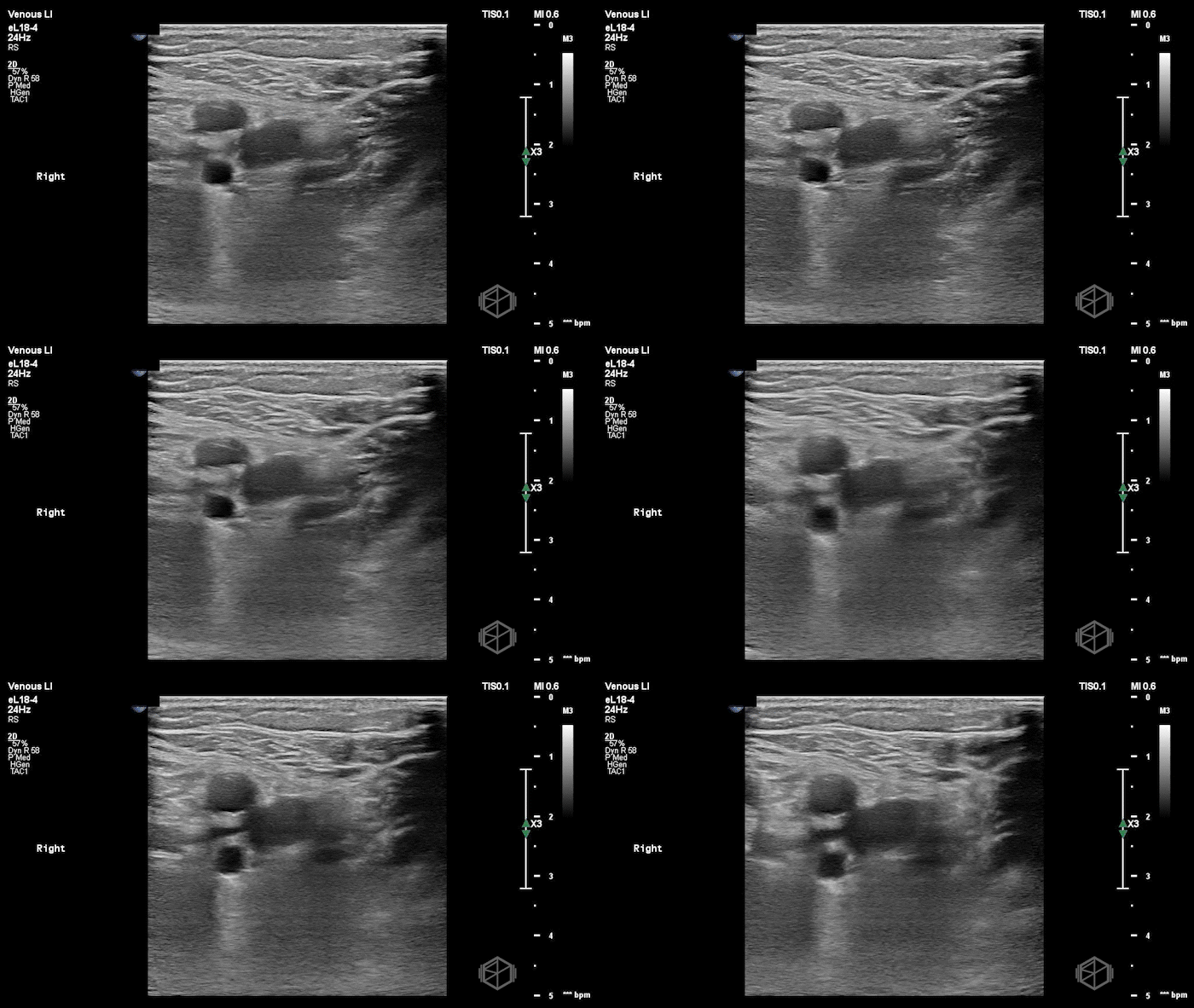
Femoral DVT with inability to compress vein.
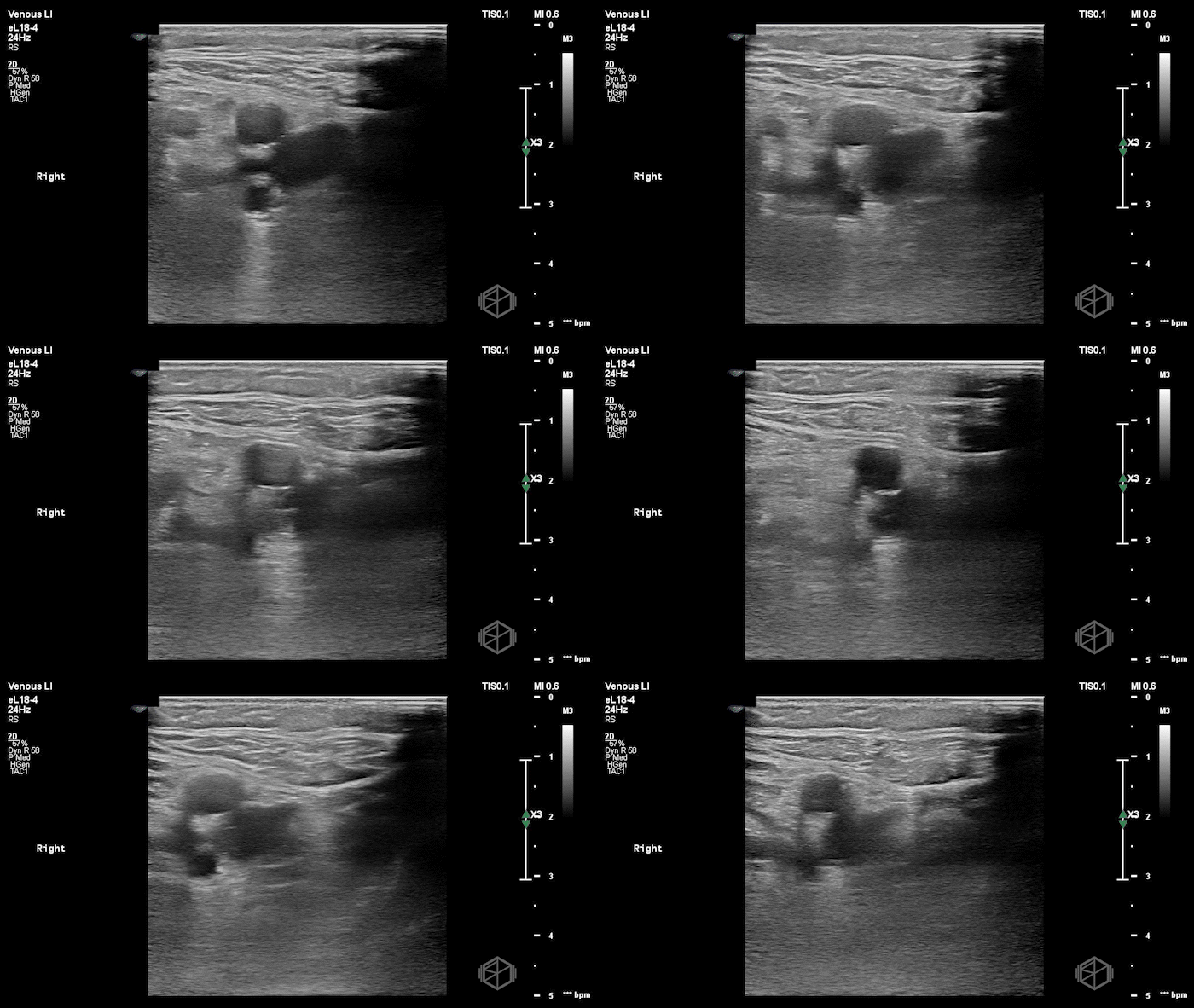
Lack compression noted highlighting DVT.
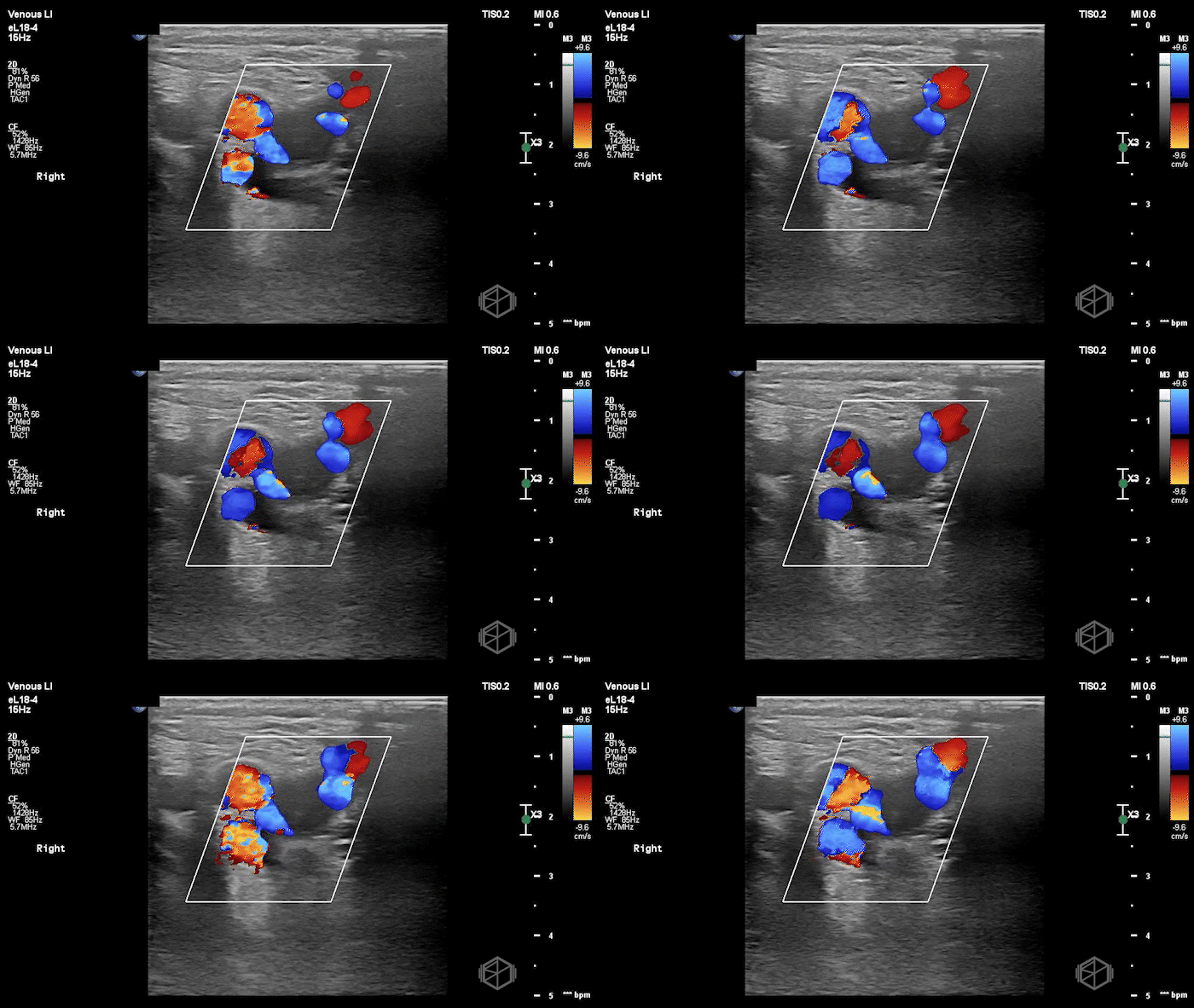
Color doppler highlighting the echogenic thrombus within the vessel. Note peripheral flow indicating a DVT that is not completely obstructive.
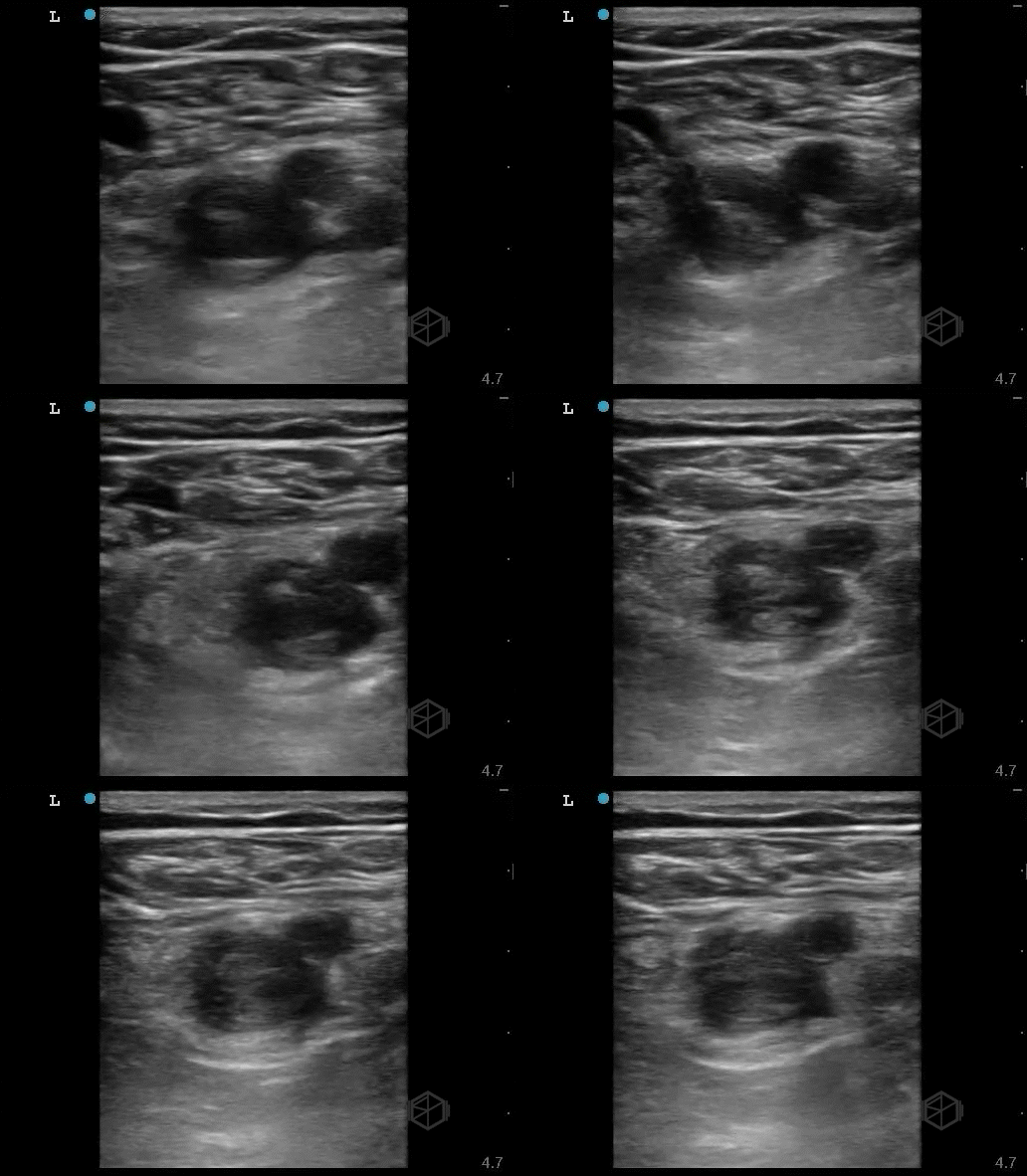
Common femoral DVT, echogenic.
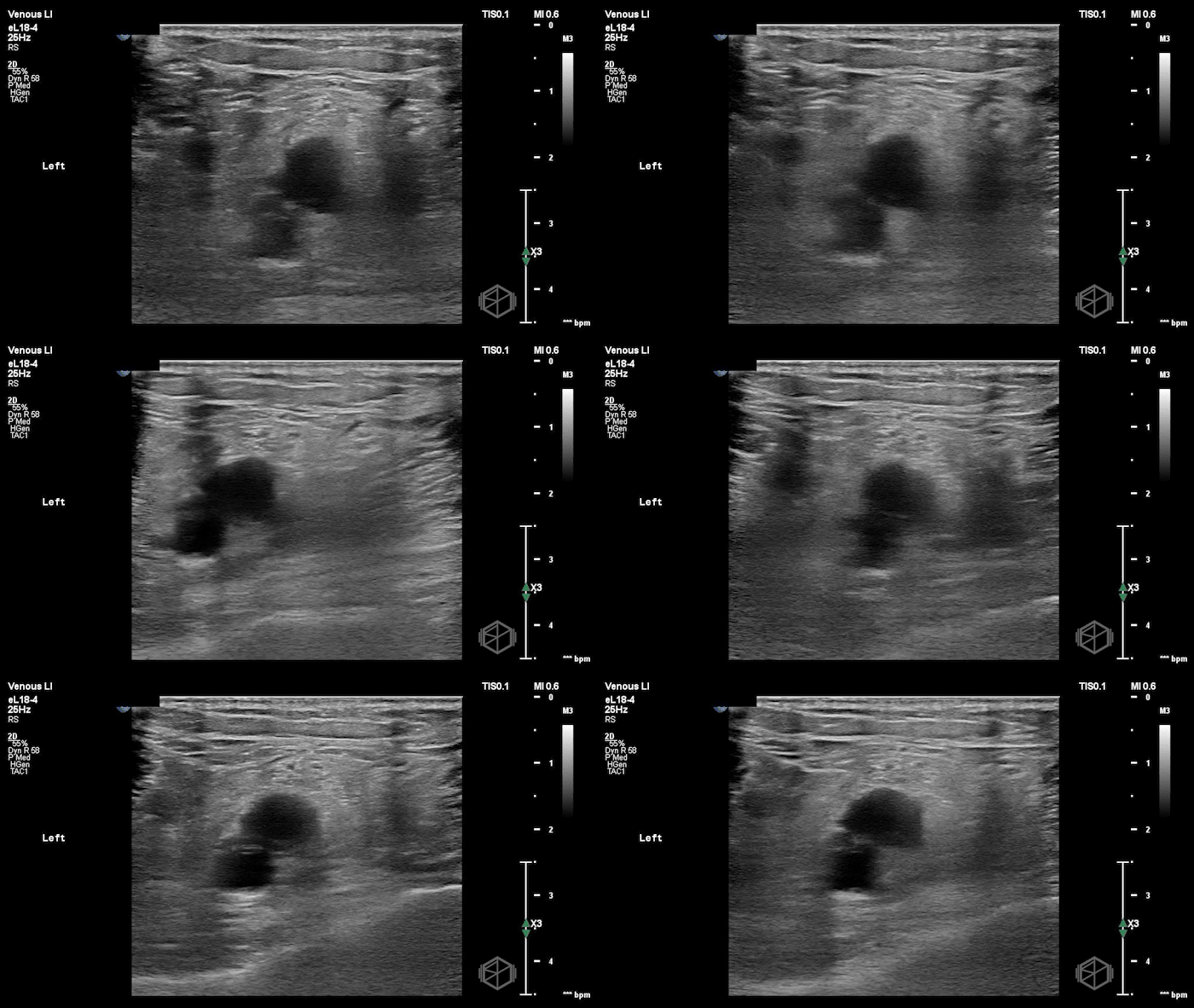
Popliteal vein DVT, notice the popliteal sciatic nerve on top, and the popliteal artery deeper, and the popliteal vein with slightly echogenic clot in the middle.
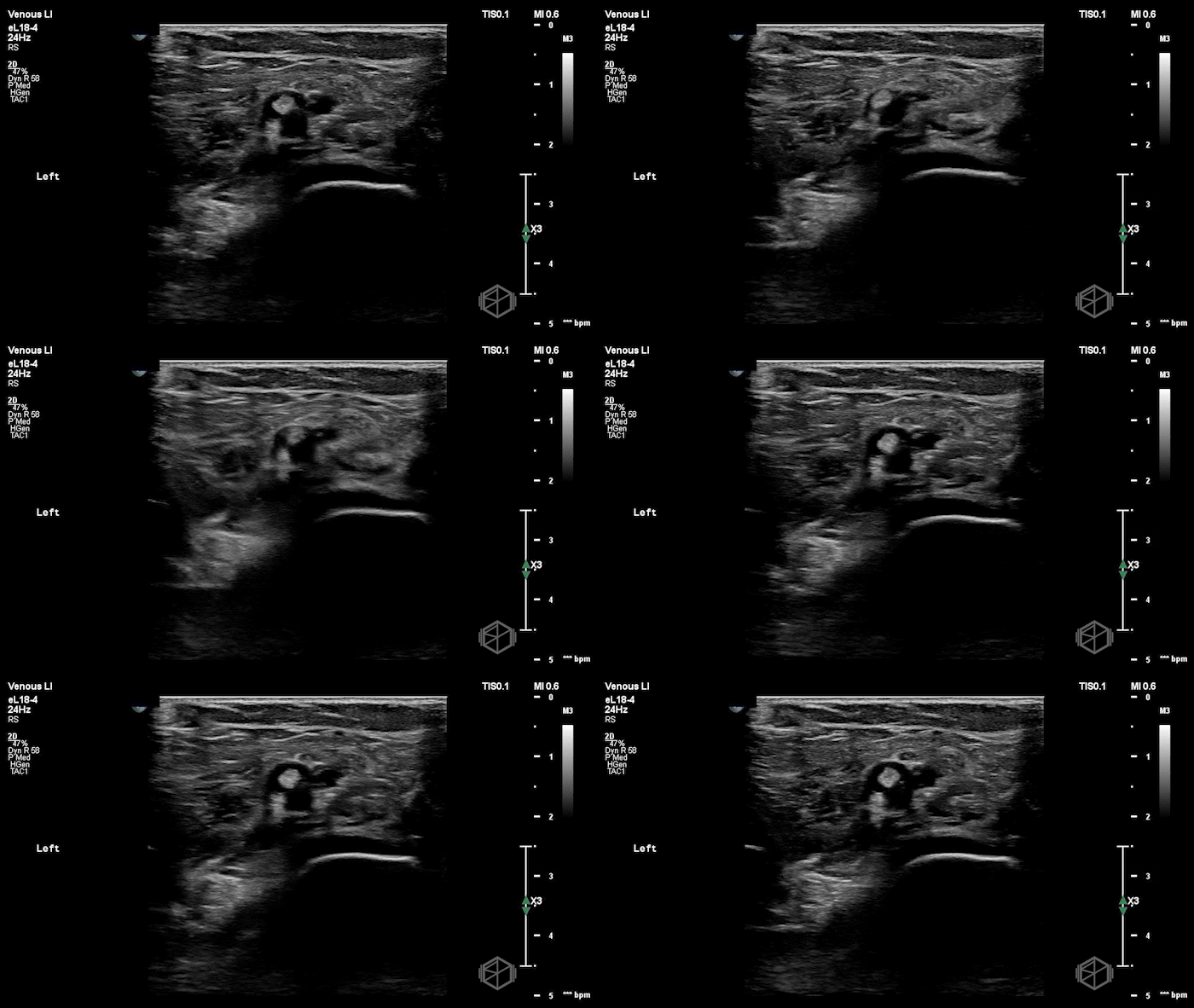
Highly echogenic thrombus visible.
Proximal DVTs (Advanced Application)
Proximal DVT refers to thrombus involving the venous system above the inguinal ligament (e.g., external iliac, common iliac veins, IVC)
These thrombi are not directly visualized on standard lower extremity compression ultrasound. (📚 PMID: 38596931, 39158244)
Clinical significance
May be missed on standard compression ultrasound
May require additional imaging for diagnosis
Associated with increased clot burden and potential for embolic complications
When to suspect proximal DVT
Normal compressibility of CFV/popliteal veins with:
Unilateral whole-leg swelling
Persistent high clinical suspicion despite negative standard DVT exam
Symptoms disproportionate to POCUS findings
POCUS findings (Indirect)
Loss of normal venous phasicity (key finding)
Assessed at the common femoral vein using pulsed-wave Doppler
Normal → phasic variation with respiration
Abnormal → reduced or absent variation (continuous flow), suggesting proximal obstruction
Asymmetry
Comparison with contralateral side may show:
Reduced phasicity on affected side
Differences in flow pattern
Limitations
Cannot reliably localize thrombus
Indirect findings only
Normal Doppler does not exclude proximal DVT
Disposition
High suspicion or abnormal Doppler findings → radiology duplex ultrasound or advanced imaging (CT/MR venography) (📚PMID: 30336900)
Do not rely on POCUS alone to exclude proximal DVT, it is a rule in test.
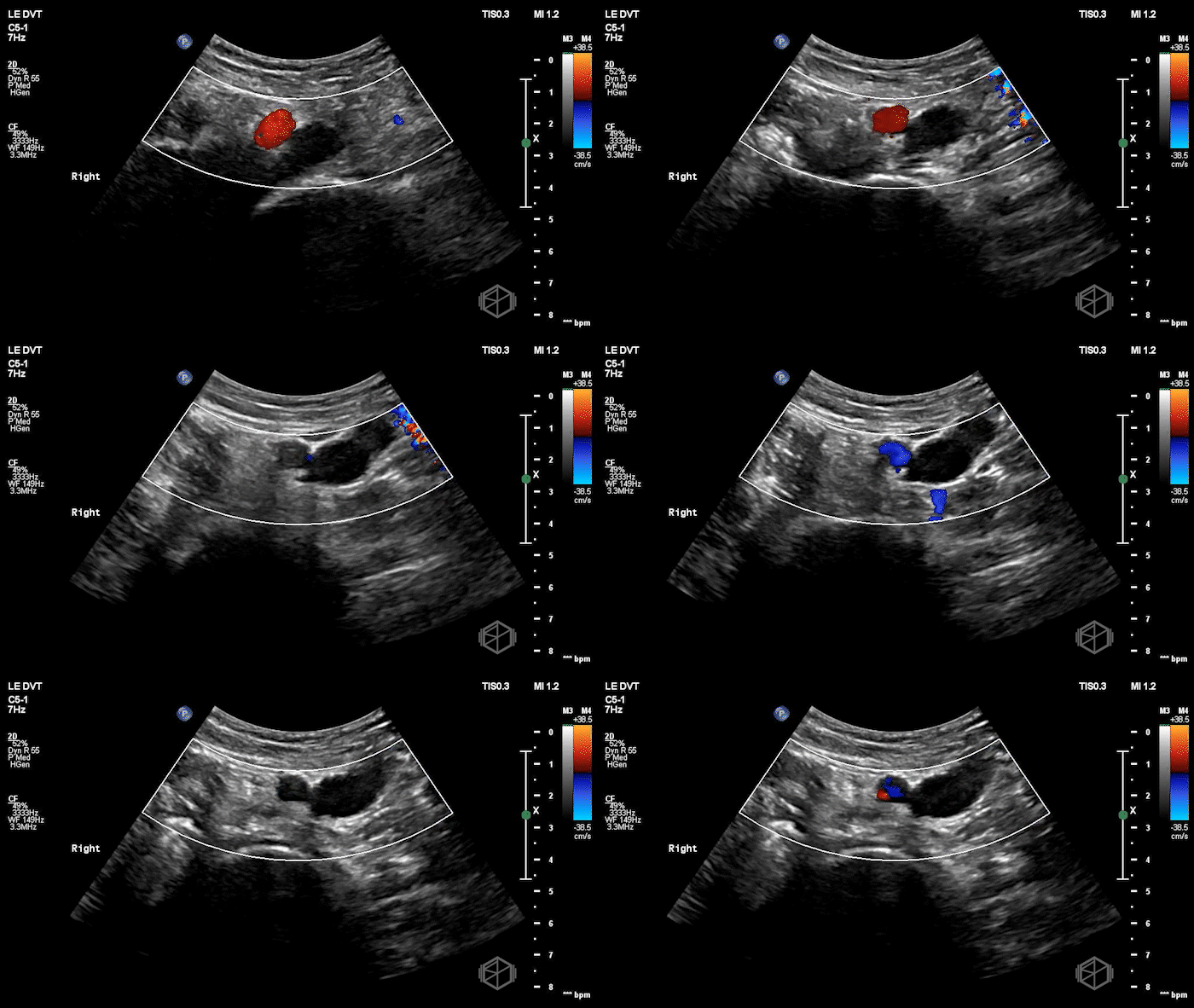
Iliac vein thrombus with absent color Doppler flow.
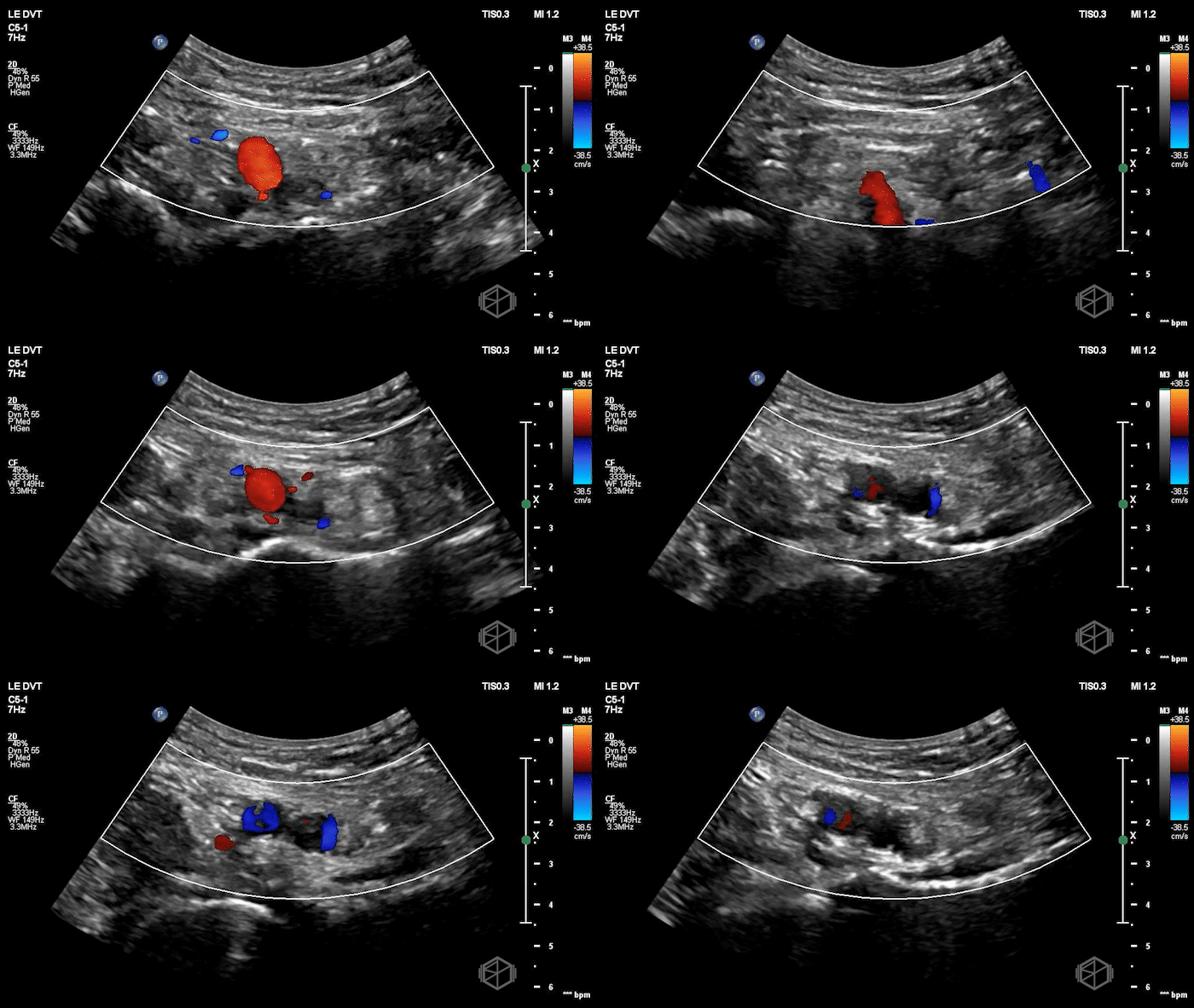
Iliac vein DVT with incomplete color Doppler filling of the lumen
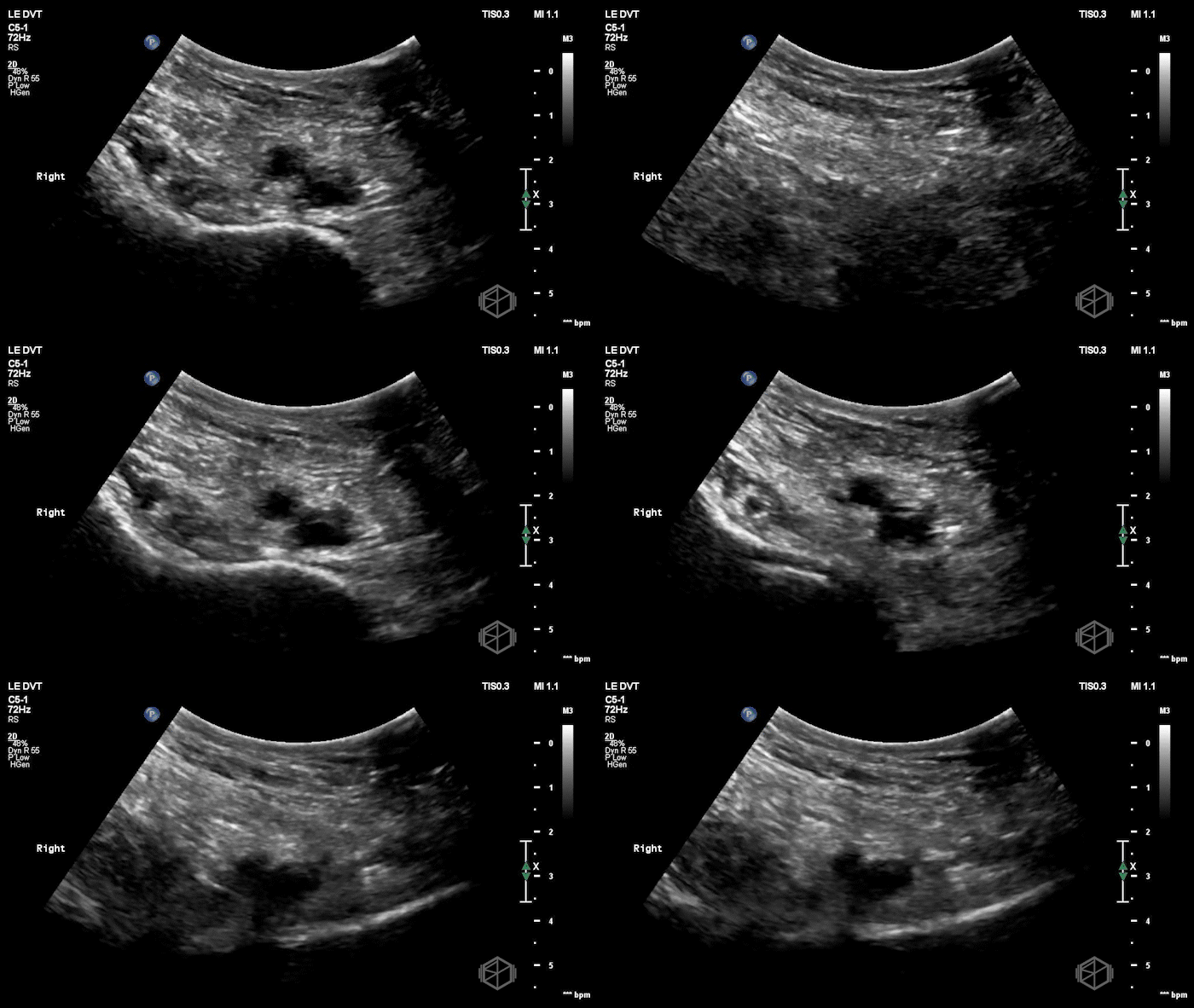
Echogenic clot visible in the iliac vein.
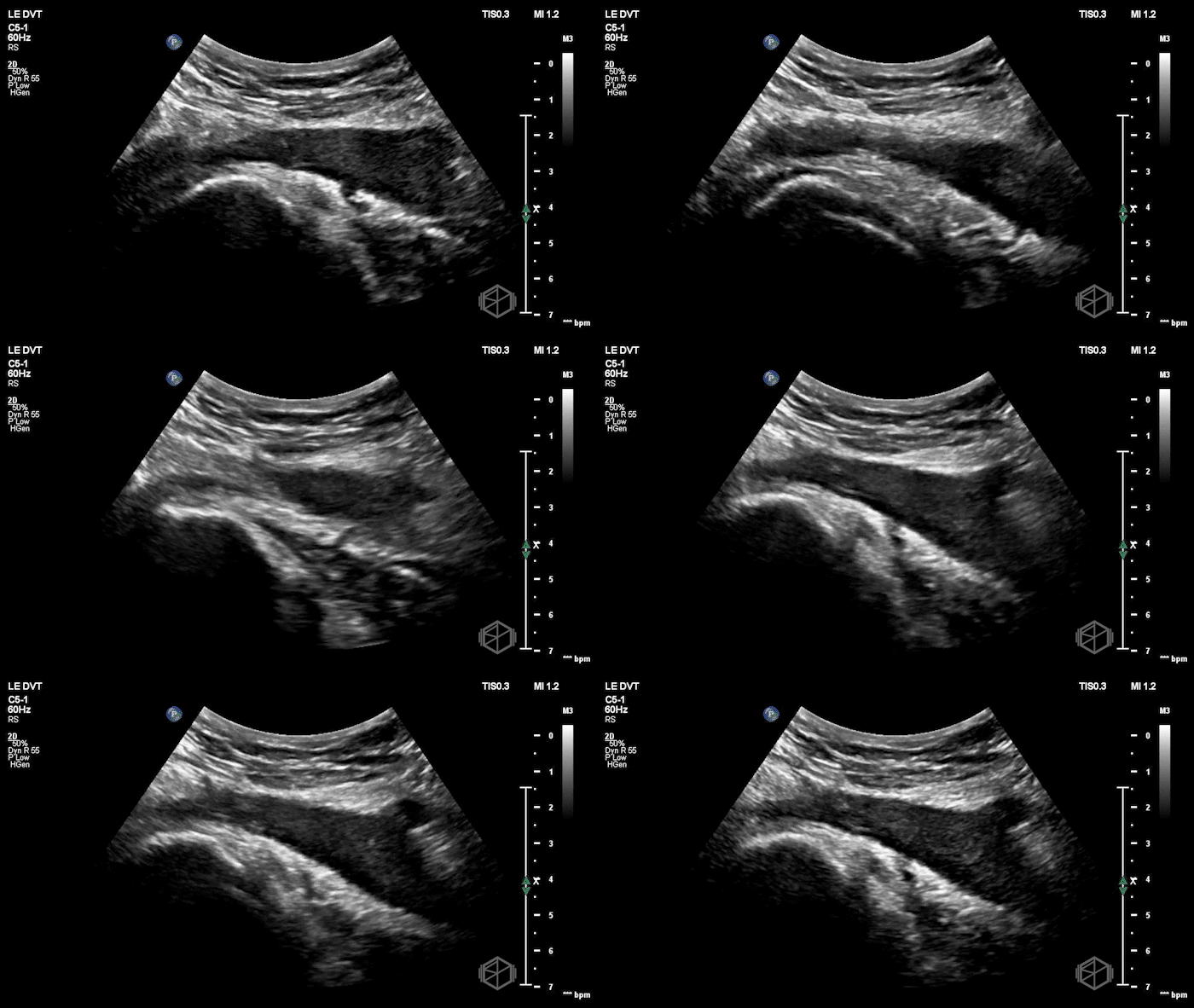
Long view of iliac vein DVT, echogenic material visible showing thrombus.
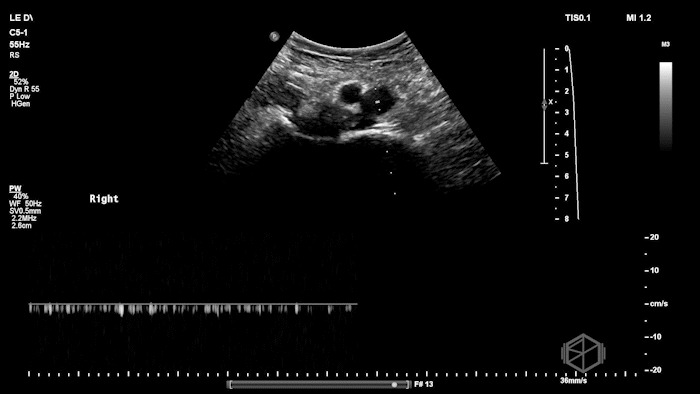
Loss of normal phasicity on pulse-wave doppler.
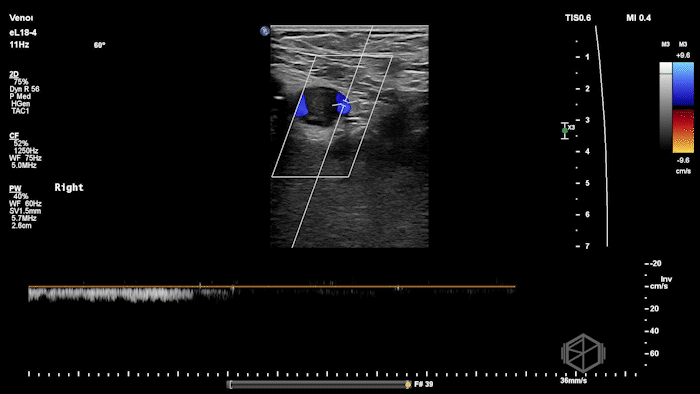
Another example of loss of phasicity on pulse-wave doppler.
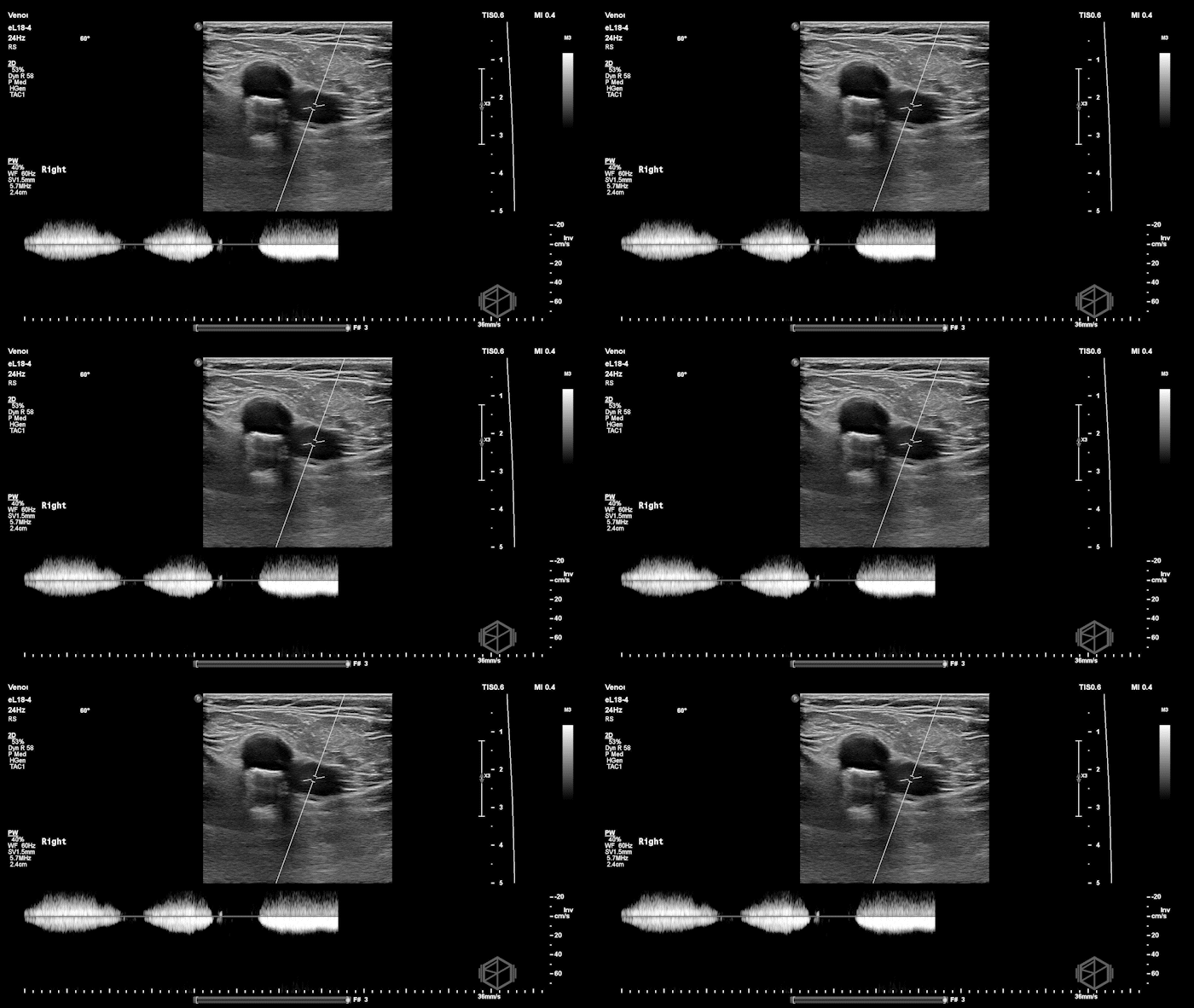
Pulse-wave doppler showing normal phasicity.