
POCUS Thoracic
General notes —
As with any lung scan, it is important to label LEFT and RIGHT.
When pleural effusions, it is important to use either a phased array probe or a curvilinear probe.
Pleural effusions are best viewed at the Posterior and/or Lateral Alveolar and/or Pleural Syndrome (PLAPS) point which demonstrates the diaphragm and the spine.
POCUS has a sensitivity and specificity for the diagnosis of pleural effusions.
Normal lung base —
The normal lung base should demonstrate either a mirror image artifact or a “curtain sign.”
The normal aerated lung does not allow sound waves to pass, thus there should be no spine visible above the diaphragm.
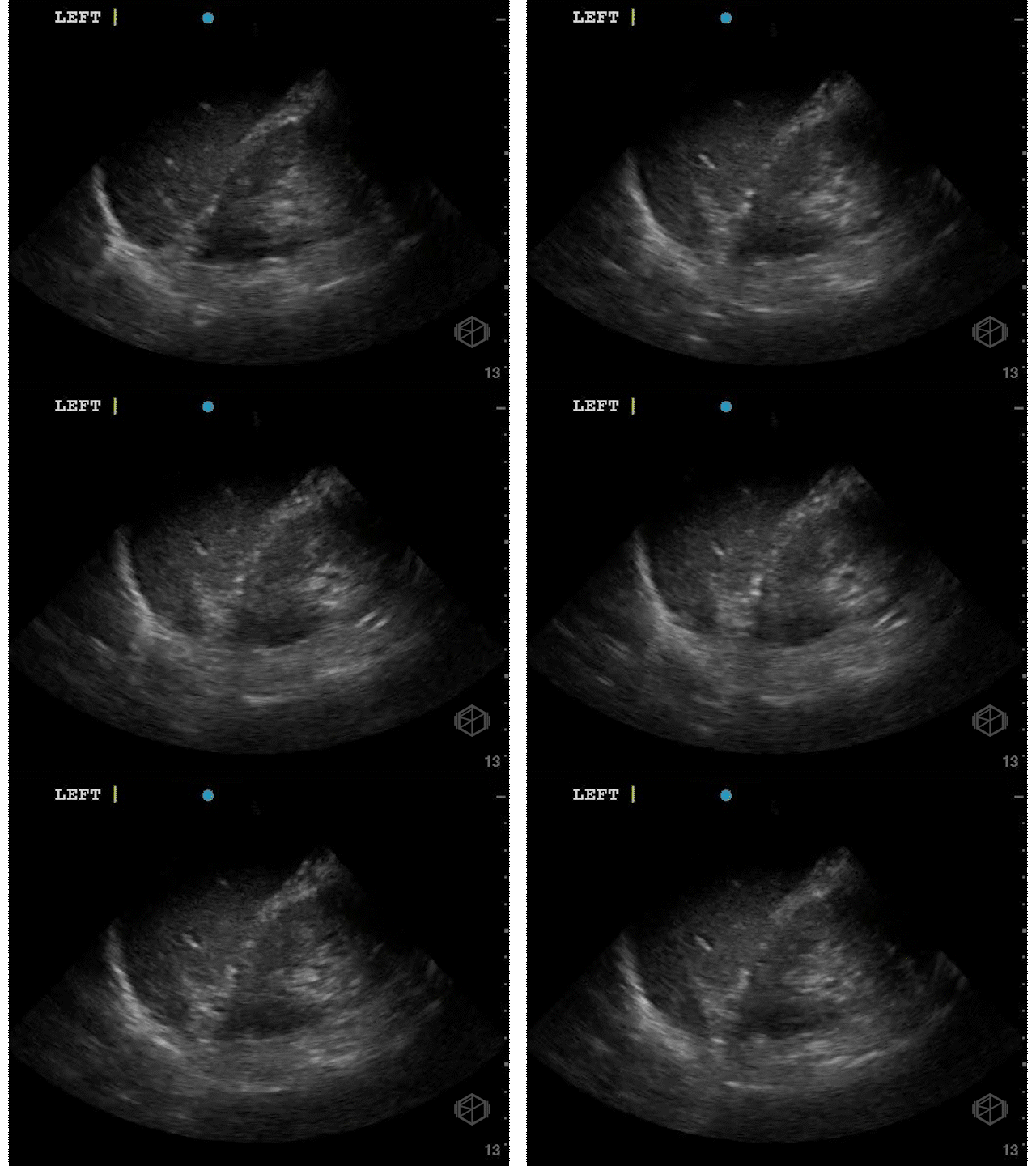
Normal lung base demonstrating the mirror image artifact. No spine is visualized above the diaphragm.
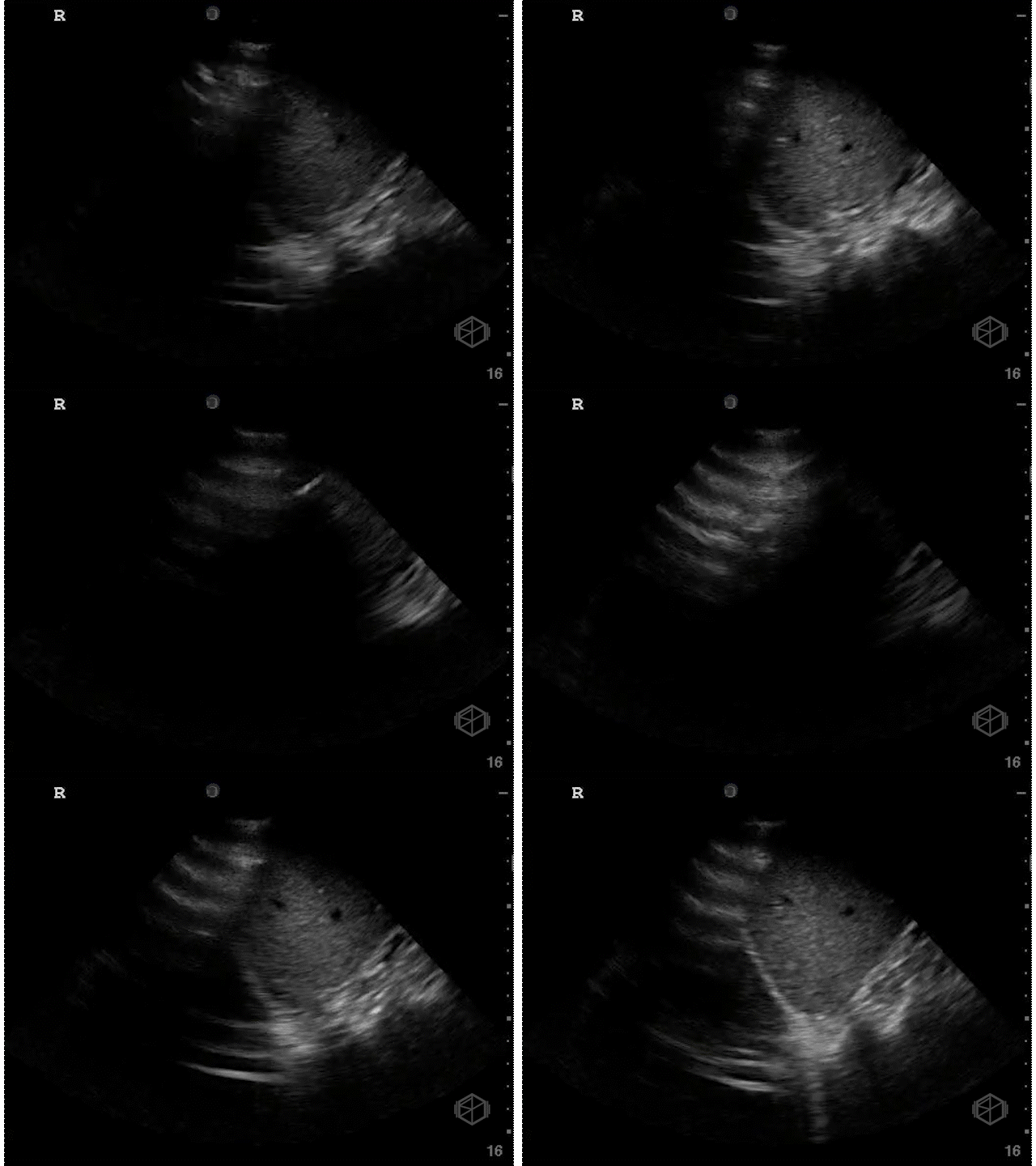
Normal lung base demonstrating the "curtain sign." The aerated lung prevents the transmission of sound waves.
Evaluating for pleural effusions —
Pleural effusions lead to a change in the acoustic impedance, due the presence of fluid, allowing the normally non-visible spine to become visible.
Pleural effusions can be characterized by their sonographic appearance: simple or complex.
Simple effusions are completely anechoic. They may be transudative or exudative. For completely anechoic effusions, there is no clear indicator if it is one or the other.
Transudative effusions occur due to increased hydrostatic pressure or low plasma oncotic pressure within capillaries.
Etiologies of transudative effusions: CHF, nephrotic syndrome, cirrhosis, hypoalbuminemia, pulmonary embolism
Exudative effusions occur due to inflammation and increased capillary permeability.
Etiologies of exudative effusions: malignancy, pneumonia (viral or bacterial), tuberculosis, pulmonary embolism, autoimmune diseases.
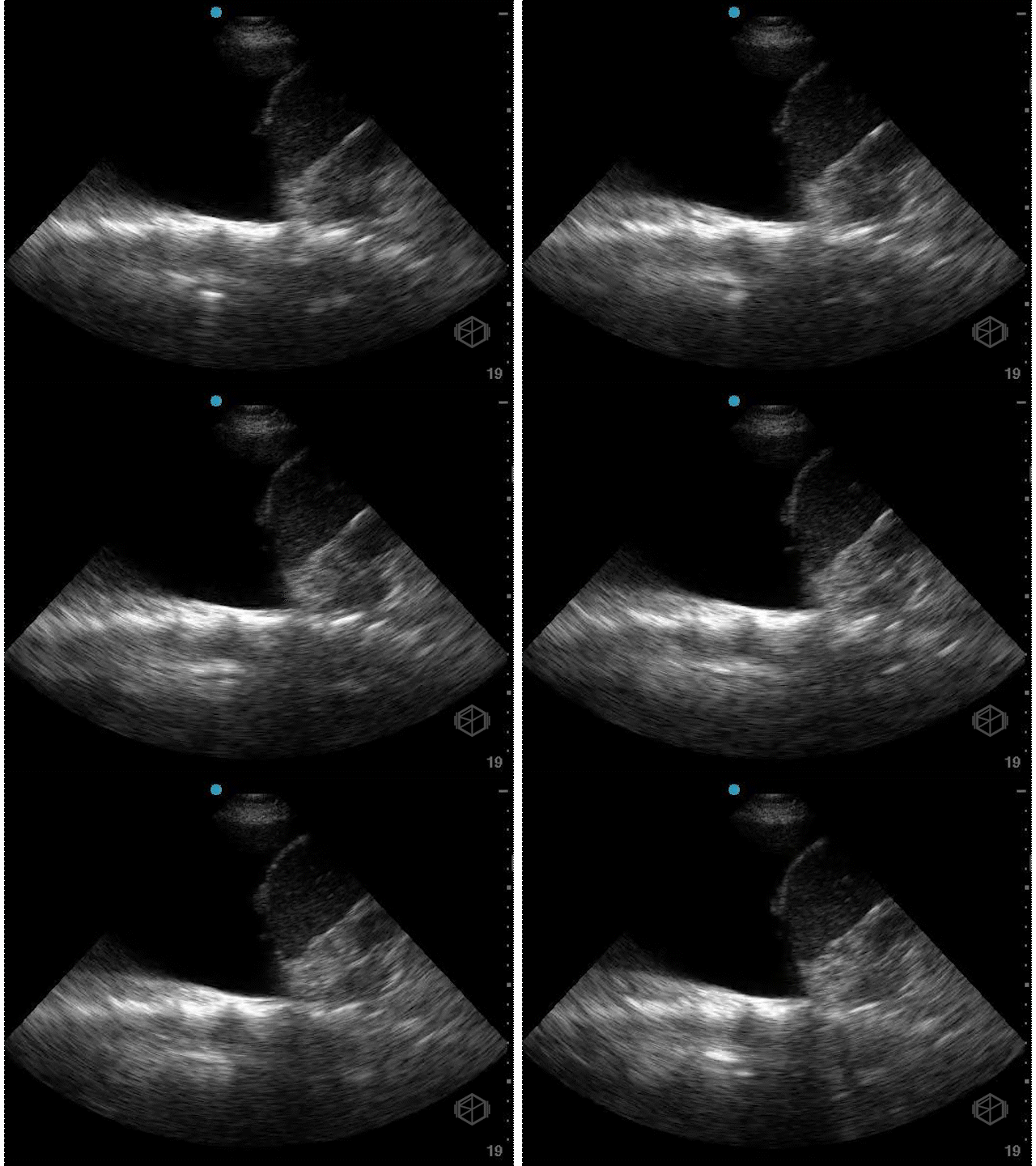
Spine sign — pleural effusions allow the transmission of ultrasound waves, thus the normally non-visualized spine becomes visible. Here a simple effusion is demonstrated.
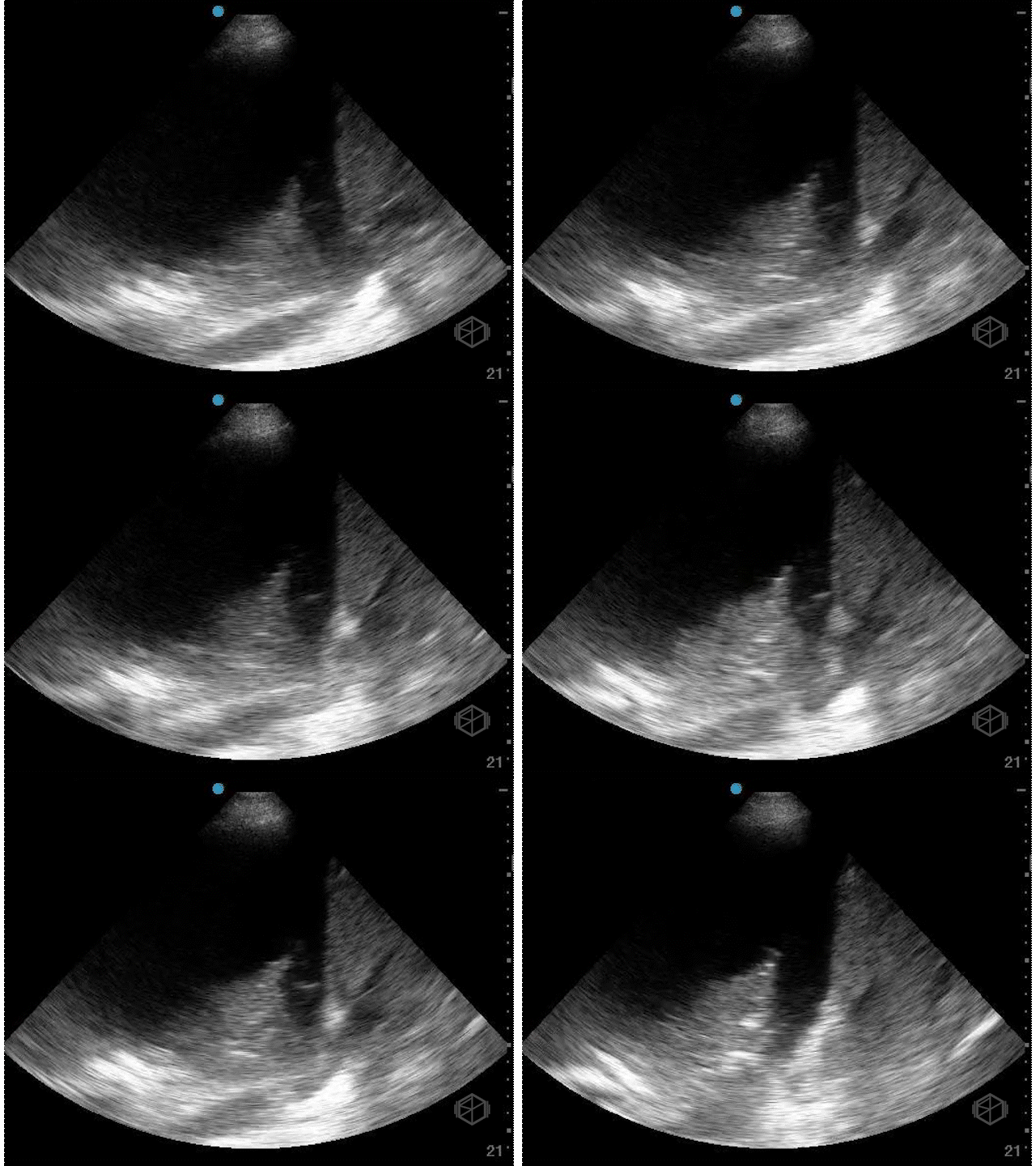
Jellyfish sign — atelectatic lung floating within the pleural effusion; generally a sign of atelectasis over consolidation. Demonstrates the true tissue architecture of the lung.
Complex pleural effusions —
Complex pleural effusions are those that are not purely anechoic. They may be heterogenous, demonstrate the “plankton” sign, or have septations. They can also be homogeneously echogenic.
Any degree of complexity is indicative of an exudative effusion.
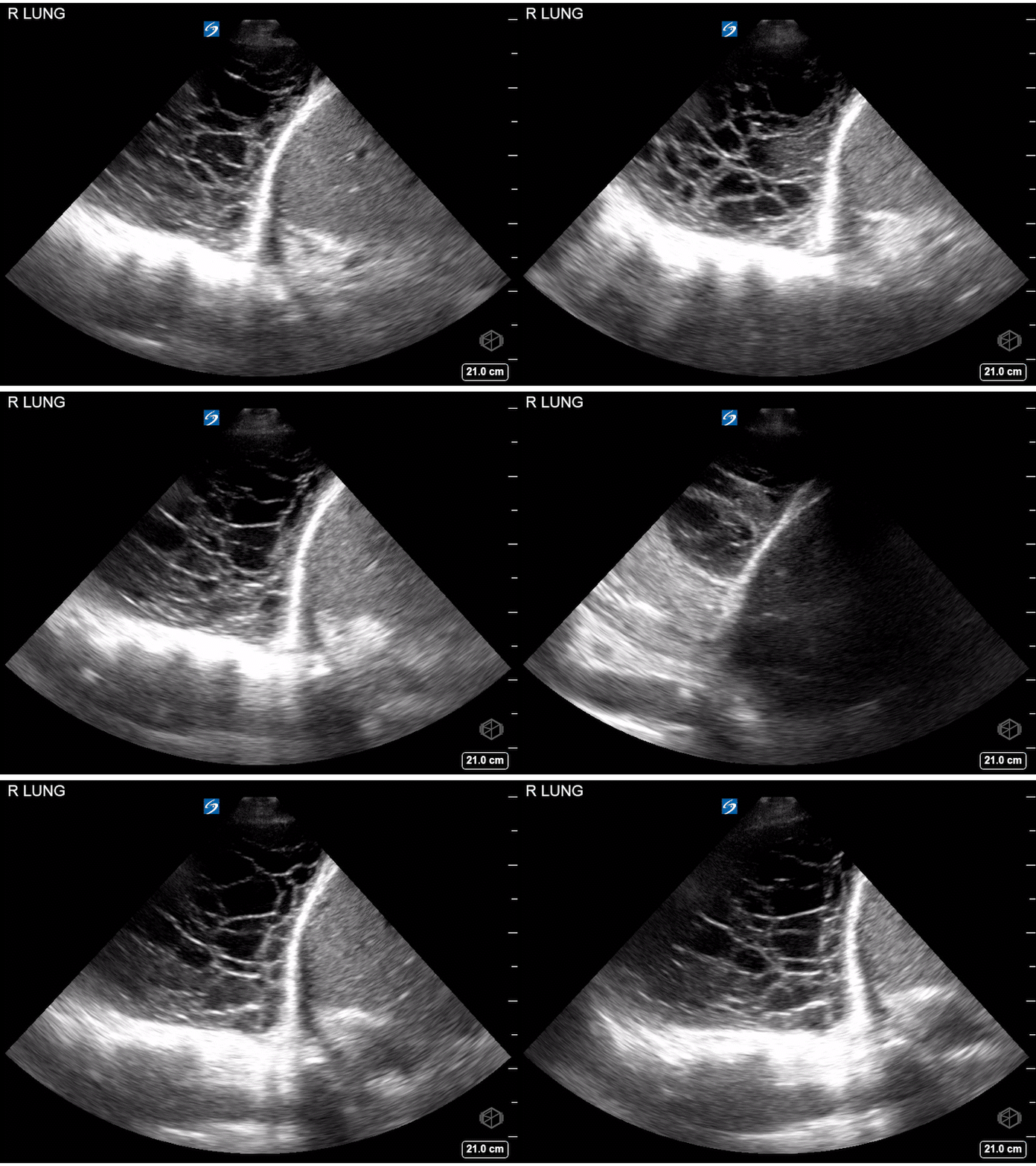
Complex pleural effusion demonstrating multiple septations.
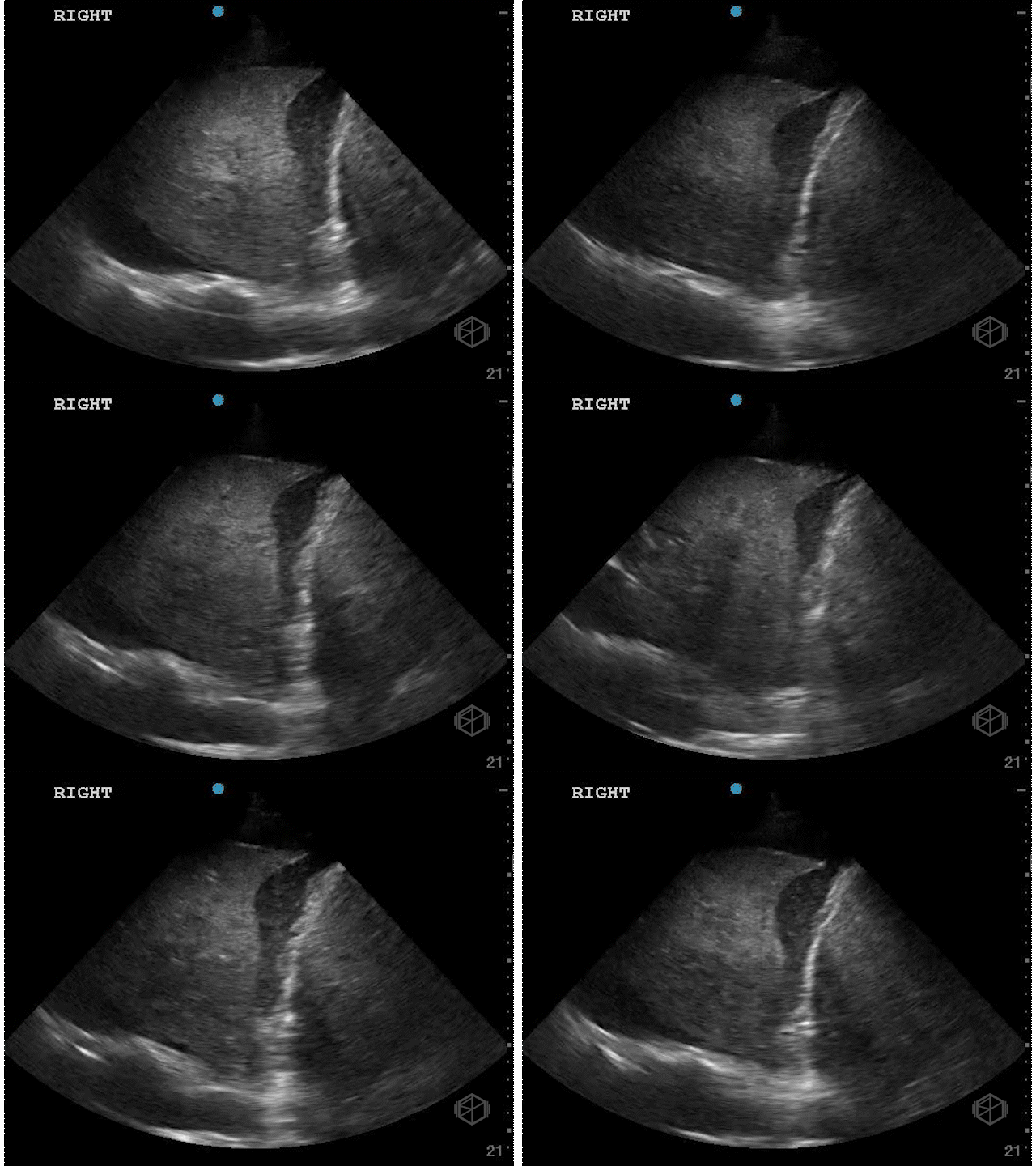
Pleural effusion demonstrating the "plankton" sign which indicates hyperechoic debris swirling around suggestive of exudative effusion.
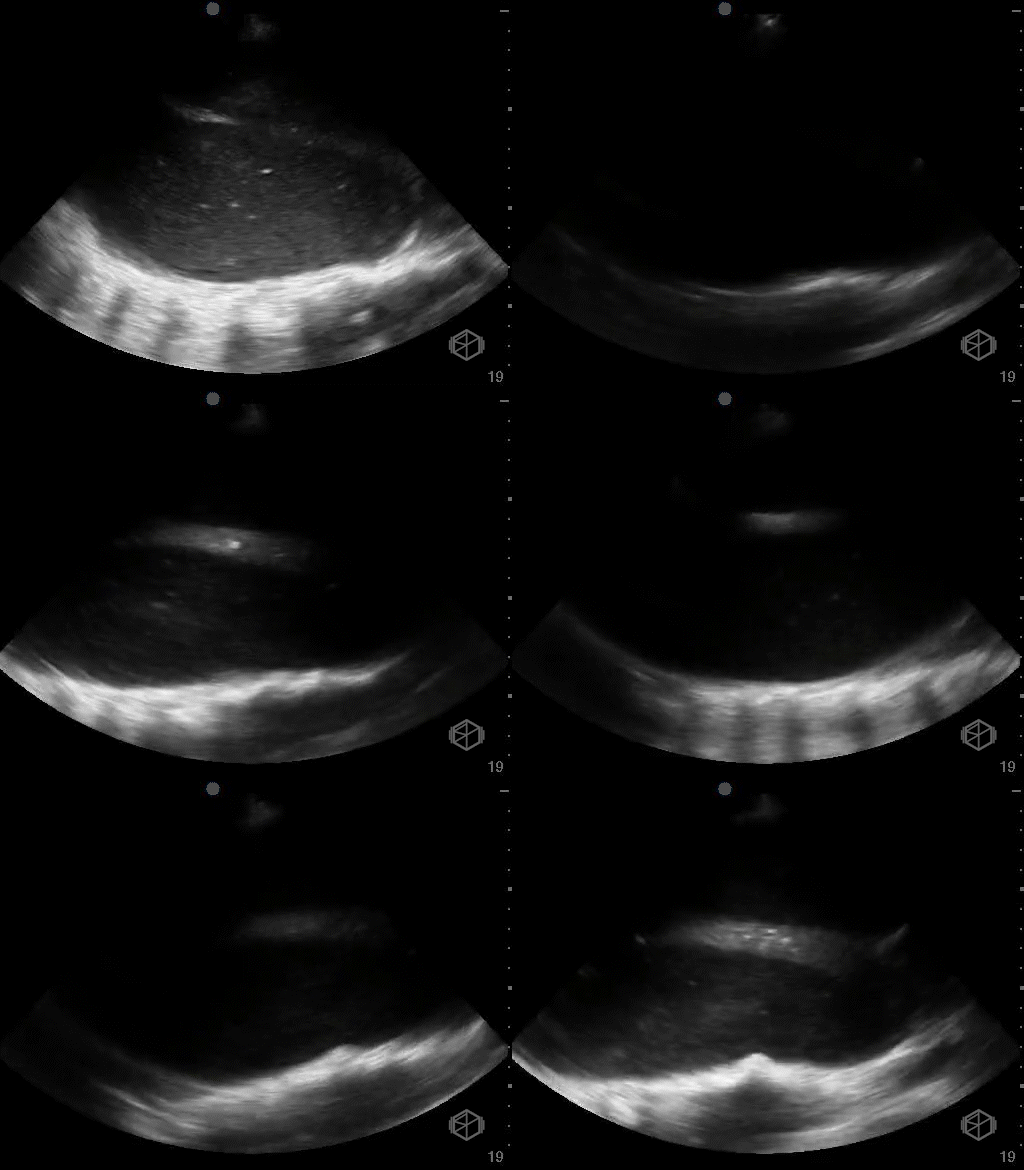
Complex pleural effusion demonstrating a thickened rind consistent with empyema.
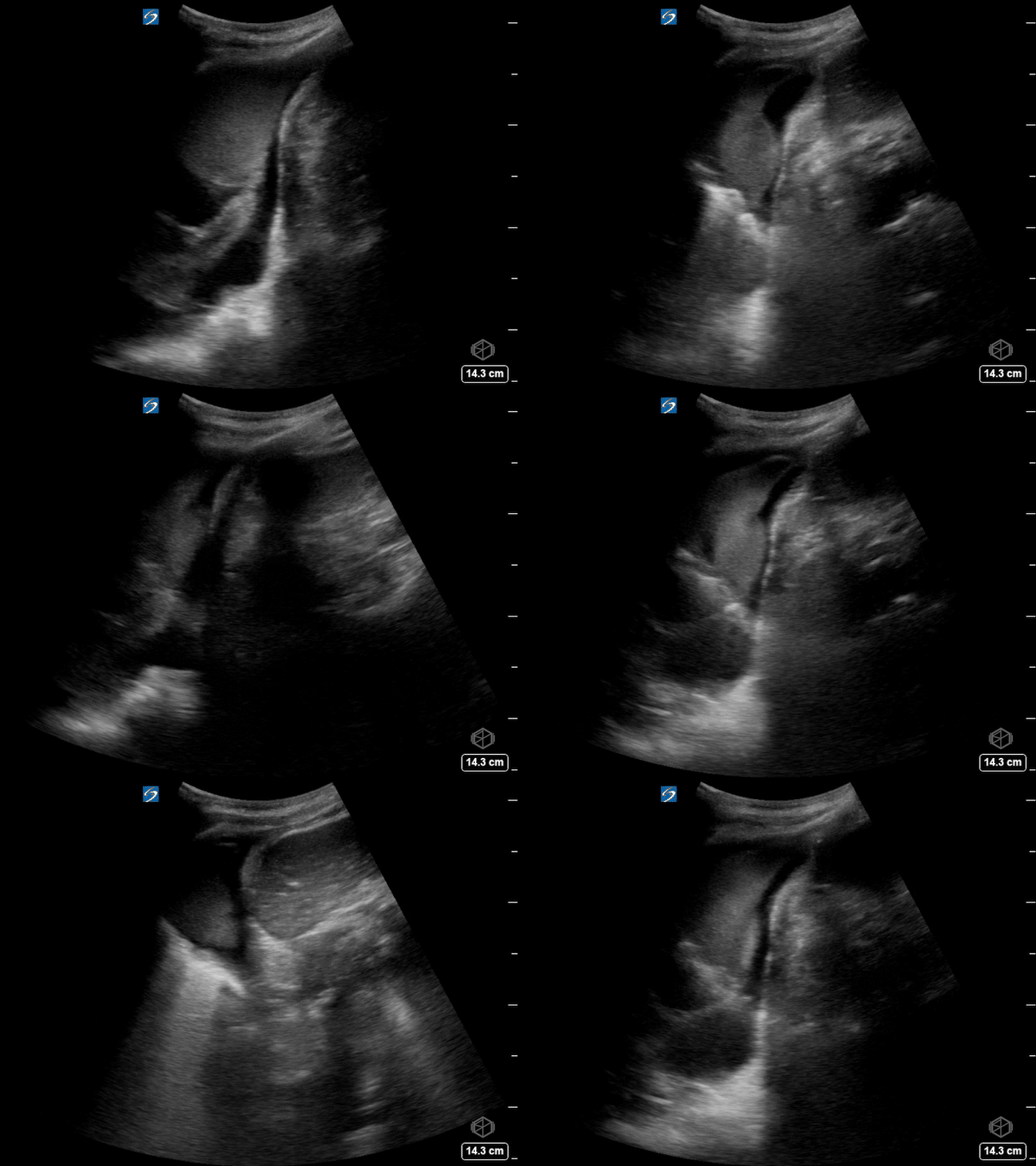
Hematocrit sign — a bi-layering phenomenon when heavier cellular elements collect in gravity dependent portions and appears highly echogenic. Highly suggestive of hemothorax.