
POCUS Thoracic
General notes —
As with any lung scan, it is important to label LEFT and RIGHT.
When evaluating for pneumonia can realistically use any probe although linear may show subpleural consolidations better.
Lower lobe pneumonia is best viewed at the Posterior and/or Lateral Alveolar and/or Pleural Syndrome (PLAPS) point which demonstrates the diaphragm and the spine.
Keeping in mind the operator dependency of ultrasound:
In pediatrics, lung ultrasound outperforms chest x-ray in diagnosing pneumonia, with a higher sensitivity and specificity. (25780071, 31211896, 32781037)
In adults, lung ultrasound also has a high sensitivity and specificity, with a high likelihood ratio for diagnosing pneumonia. (38299193, 26107512, 21030550)
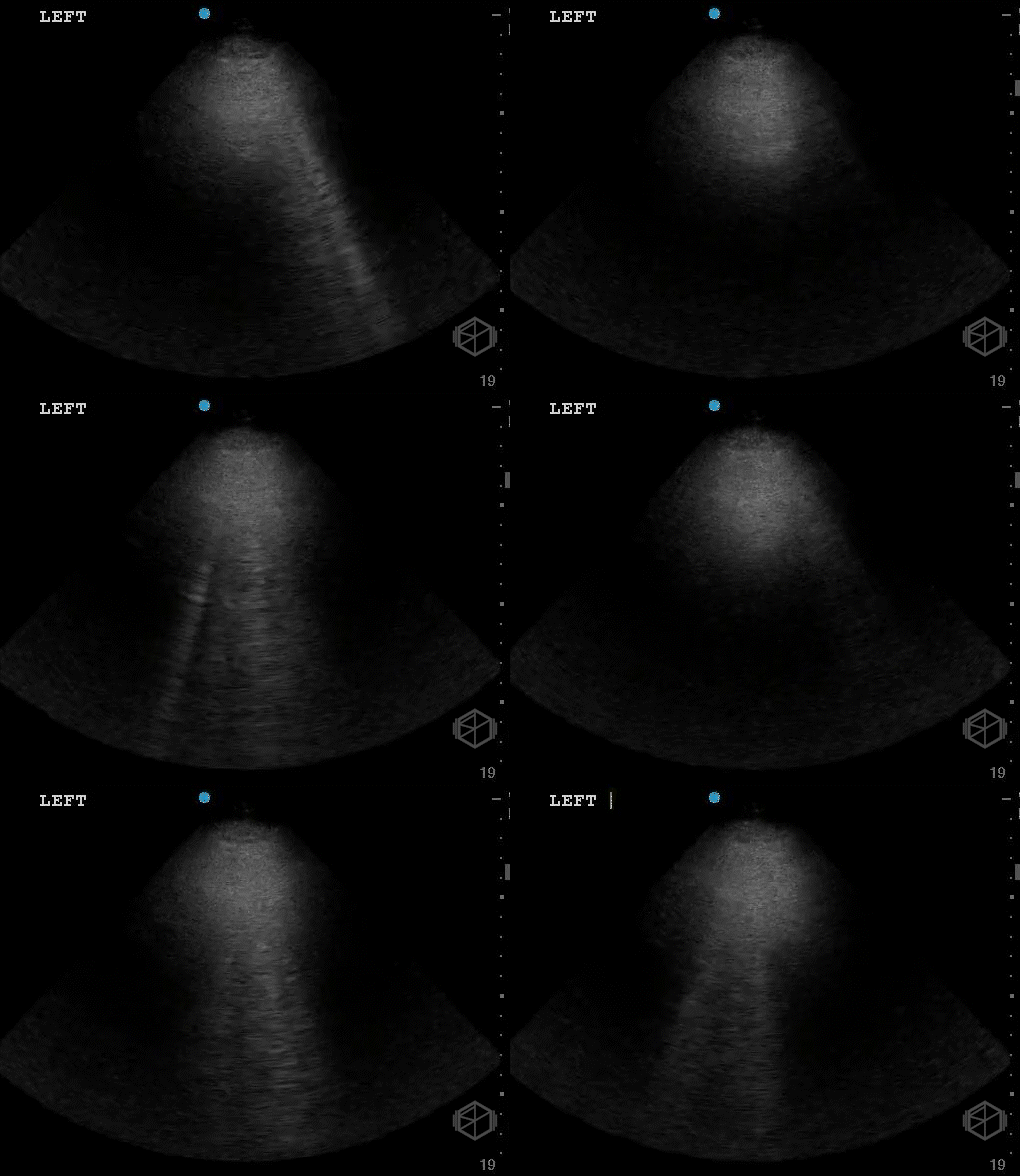
Focal B-lines in minimally affected lung in a patient with pneumonia.
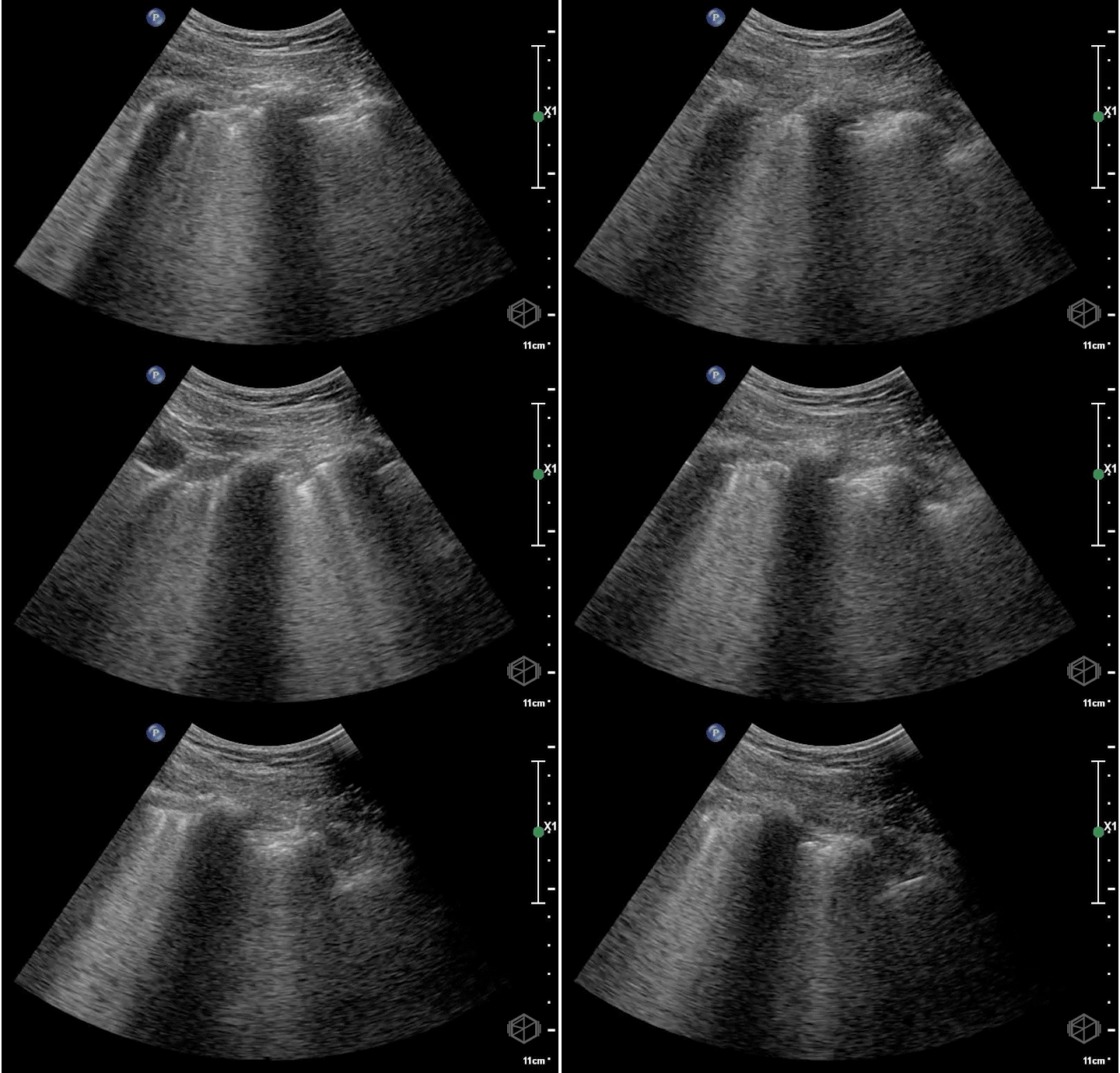
Coalescent B-lines, appear similar to white curtains, or a waterfall. Also note the irregular pleural border.
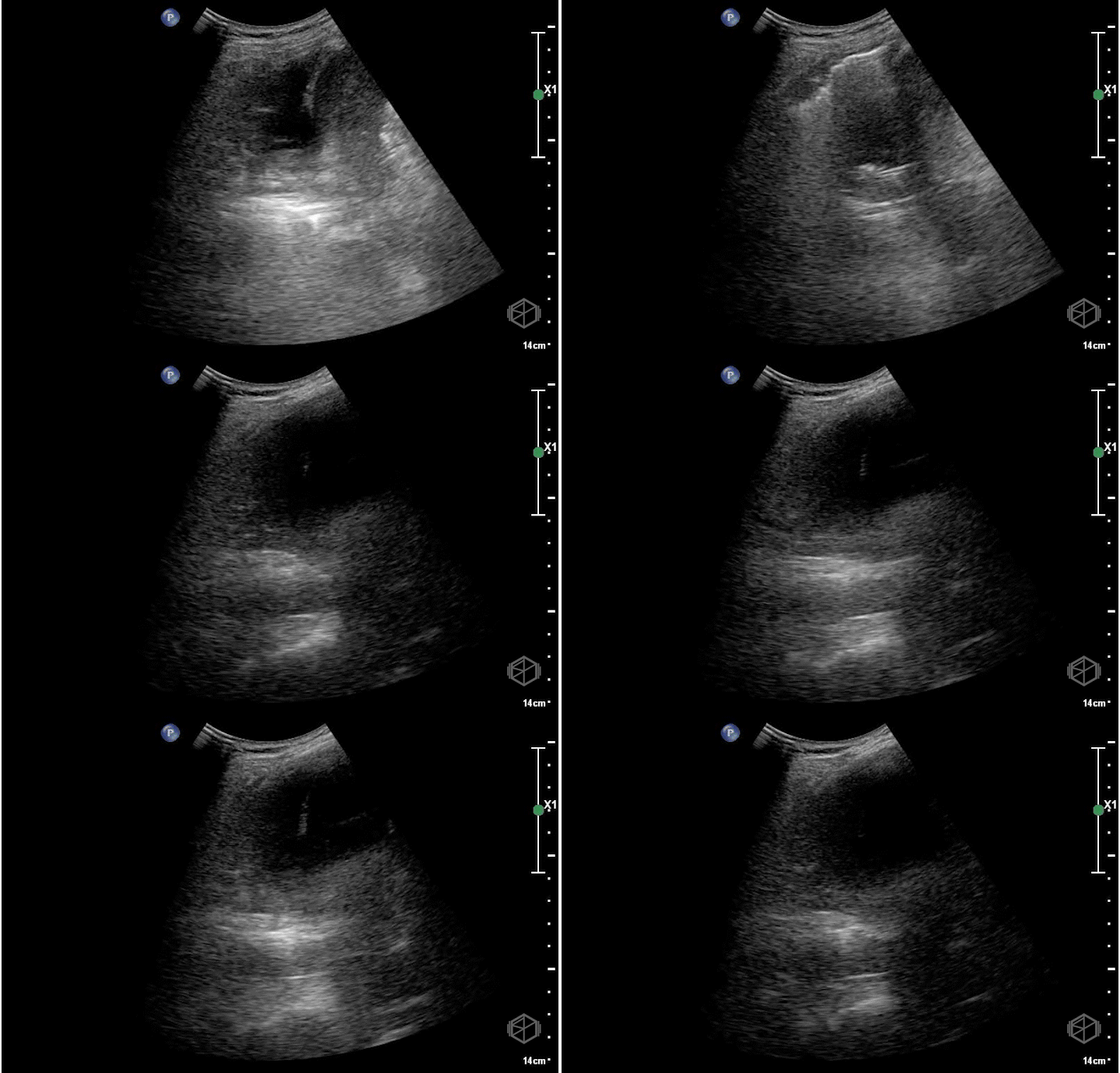
B-lines along the lung base near consolidated lung.
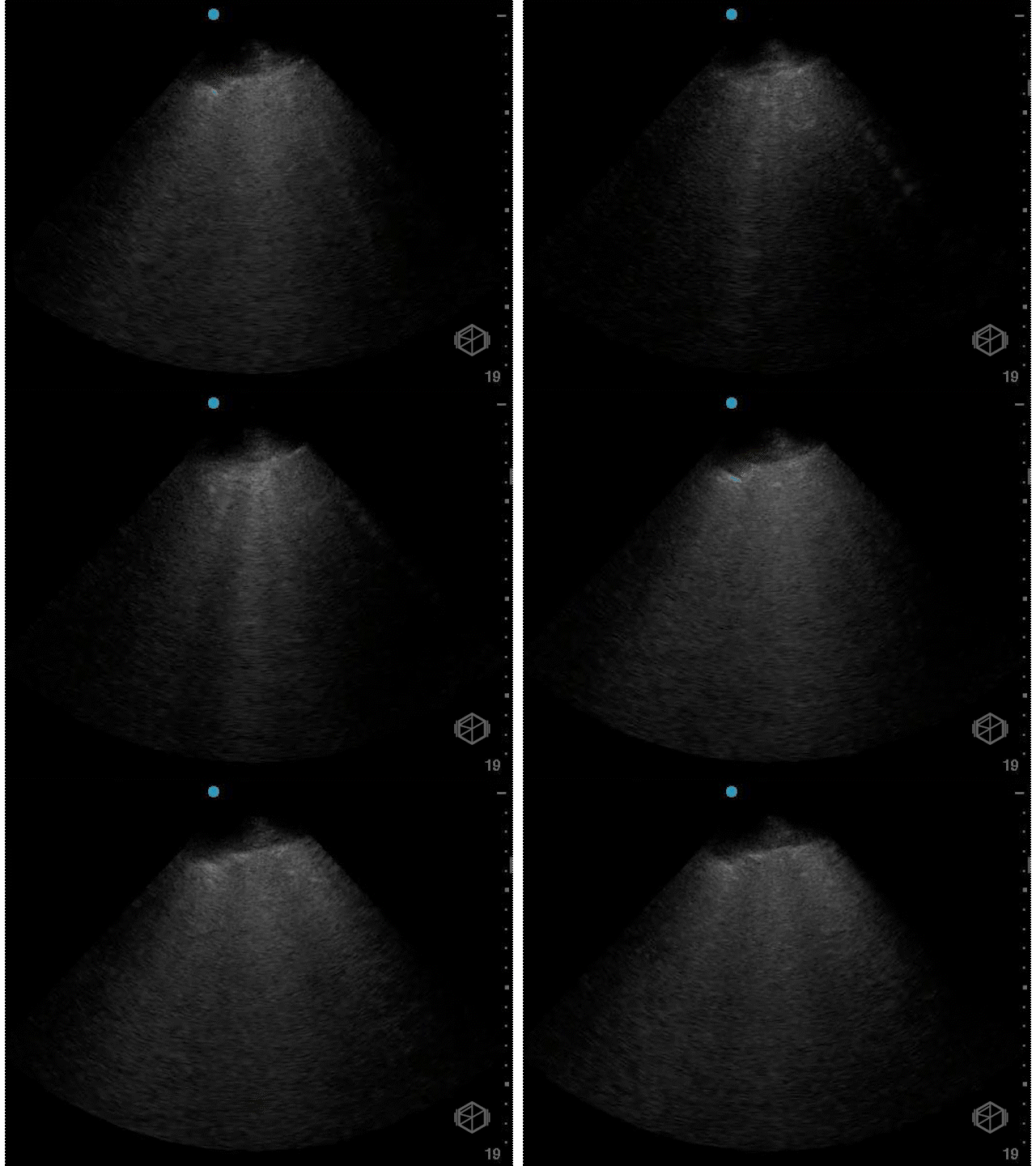
B'-profile — abolished lung sliding with B-lines, indicative of an acute interstitial syndrome (eg, ARDS or pneumonia).
Presence of focal B-lines or A/B-profile —
One portion of lung may have B-line while another has A-lines.
B-lines are vertical ring-down artifacts that that do not attenuate (fade with depth).
Caused by engorged interalveolar/interlobular septa and alveolar flooding due to increased extravascular content.
>3 per lung field = pathologic.
B-lines may be found in multiple other pathologies including atelectasis, congestive heart failure, interstitial lung disease, ARDS etc.
Sensitive, but not a specific finding, use clinical correlation.
For pneumonia — B-lines may be found focally, multi-focally, along ground glass opacities, or along consolidations.
A B’-profile (B-lines with abolished/diminished lung sliding) may be seen in acute interstitial syndromes such as pneumonia or ARDS. This is due to sticky exudative material being released from the lung. The presence of B-lines rules out pneumothorax at that area.
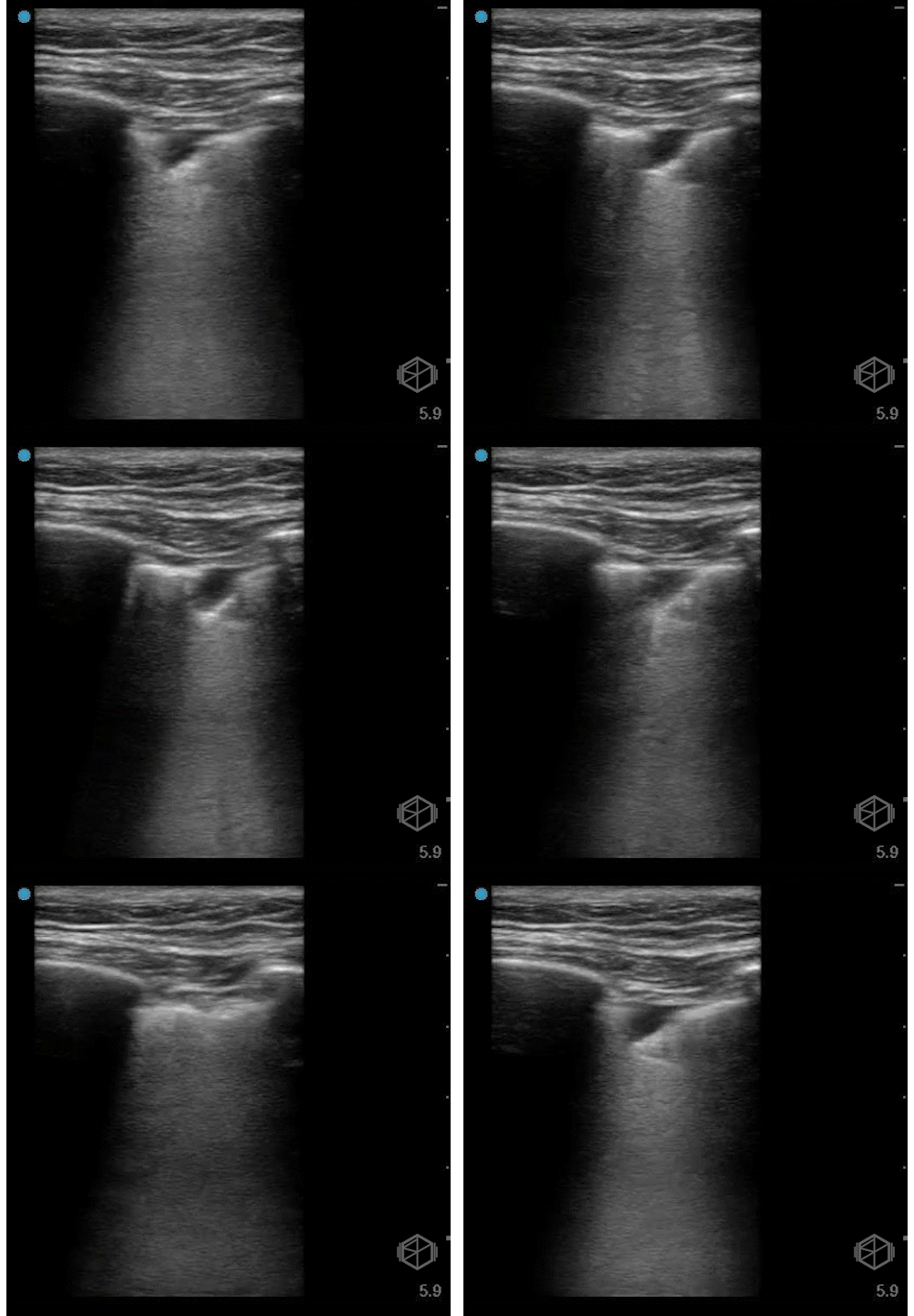
Subpleural consolidation — small or large hypoechoic regions disrupting the pleural line.
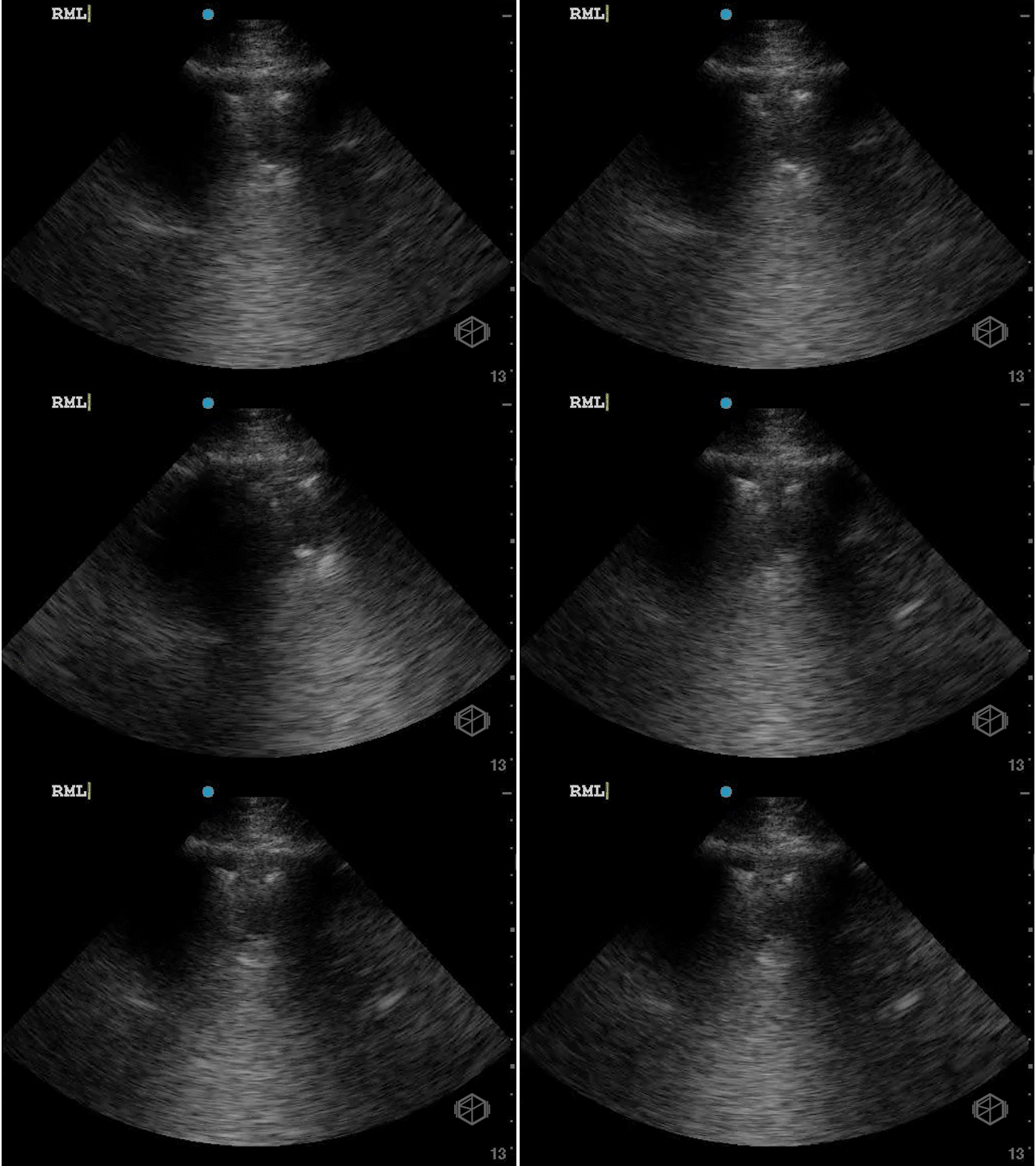
Shred sign — subpleural hypoechoic area with irregular/ragged margins.
Subpleural consolidations —
Small or large (but usually <1cm) hypoechoic regions disrupting the pleural line. C-profile on the BLUE protocol.
Indicates lung consolidation, but may be secondary to other causes as well including pulmonary embolism, lung carcinoma and metastasis, and atelectasis.
Shred sign or fractal sign — subpleural consolidation with highly irregular borders/shredded borders. B-lines usually surround the edge of the shred sign given pneumonia is a gradual fluid process that occupies airspace.
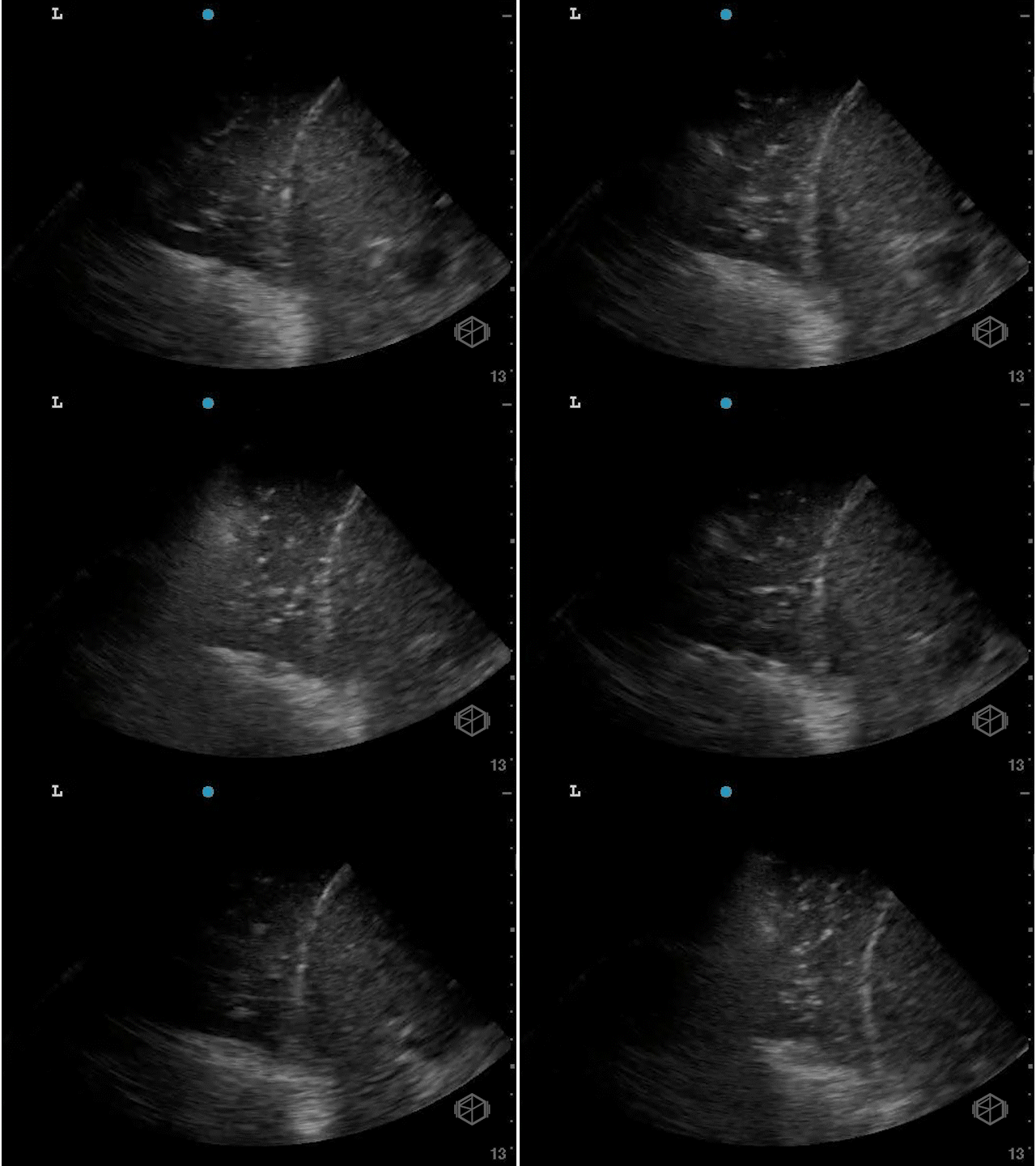
Hepatization — liver-like appearance of the lung tissue. Note the air bronchograms.
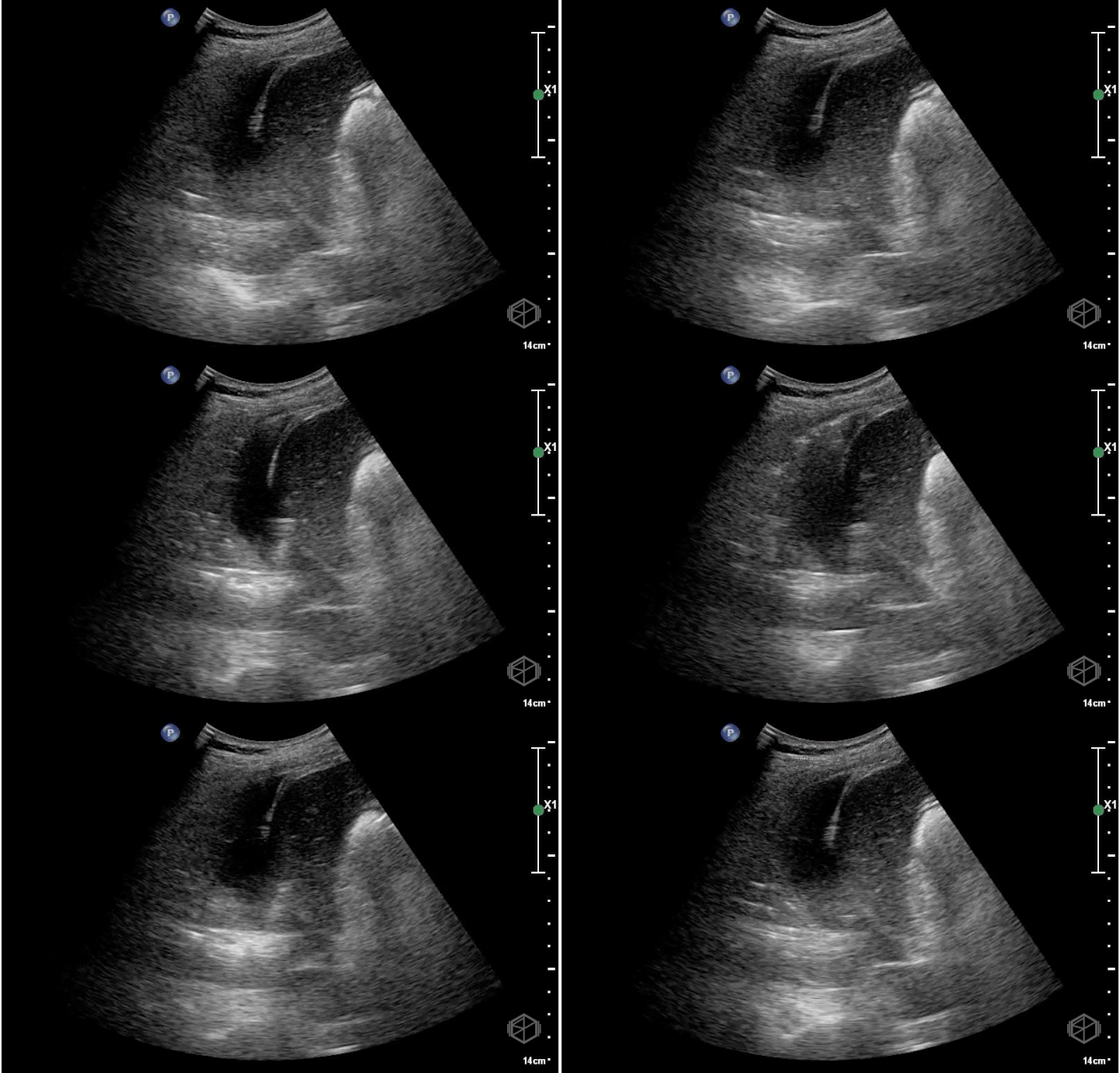
Hepatization of lung with a small parapneumonic pleural effusion (anechoic space). Note the air bronchograms.
Hepatization —
Consolidated lung appears very liver-like in echotexture.
Inflammatory material from a developing pneumonia such as fluid or pus can fill alveoli. As there is no longer air filled alveoli, the lung becomes visible on ultrasound.
Atelectasis may have a similar appearance and it is hard to differentiate from pneumonia.
Pneumonia — the lung size remains the same or increases given the alveoli are filled with inflammatory fluid. Generally about ~27% of patients with pneumonia have a pleural effusion, usually small.
Atelectasis — alveolar collapse may lead to smaller appearing lung; secondary causes may be visible such as a large pleural effusion leading to compressive atelectasis.
Clinical correlation is helpful in differentiating pneumonia from atelectasis.
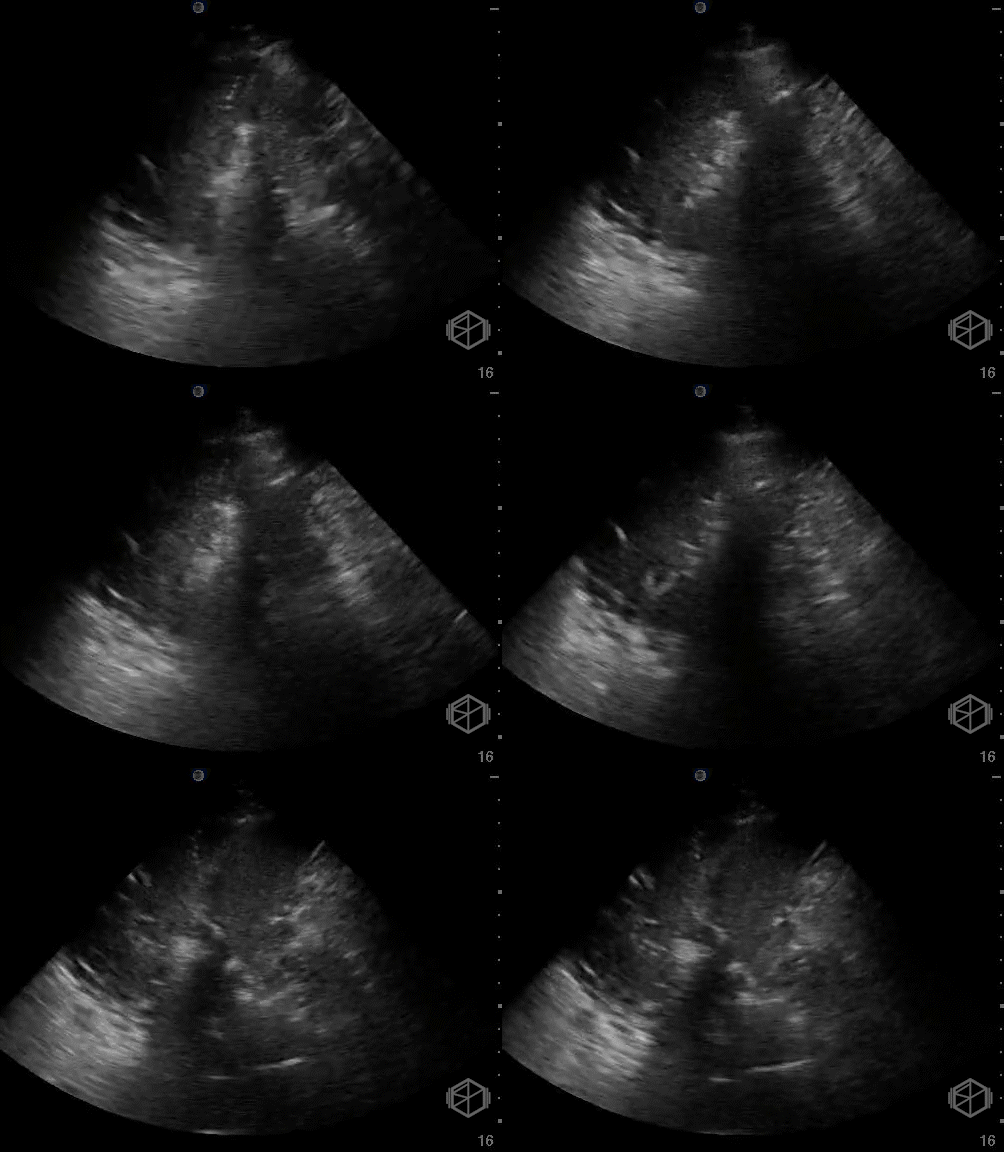
Dynamic air bronchograms — note the movement of the fluid with respiration within the bronchioles.
Air bronchograms —
Static air bronchograms may occur in either pneumonia or atelectasis.
In patients with static air bronchograms, color doppler could be utilized to evaluate for pneumonia versus atelectasis. If pulsatile flow is absent, pneumonia may be potentially ruled out (90% sensitivity).
Dynamic air bronchograms — result from the movement of fluid mixed with air inside of the bronchioles during respiration. Considered 99-100% specific for pneumonia, ruling out atelectasis.